Built On Grit.
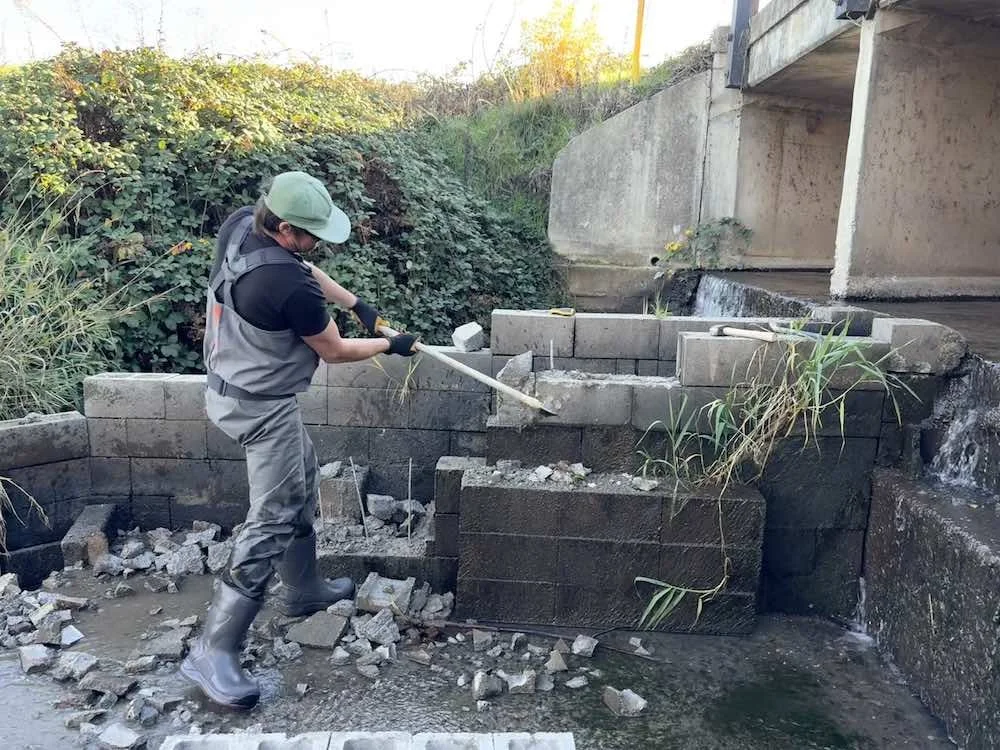
The Rogue River Restoration Council just doesn’t talk about conservation—we get our boots dirty. From the headwaters of Bear Creek to the rugged canyons of the Illinois, our team is tackling some of the toughest restoration challenges in Southern Oregon. We operate with a "no job is too big or too small" mindset because we know that with enough grit, local collaberation, and a relentless commitment to watershed health, we can ensure that the Rogue’s legendary fish runs thrive into the future. We hope you join us as we roll up our sleeves for the Rogue.
The mission of the Rogue River Restoration Council (3RC) is built upon a foundation of direct, grassroots action. Long before our formal incorporation, our founder was already active in the watershed -identifying critical habitat issues and implementing localized restoration efforts in neglected spawning tributaries. These early, foundational projects served as the ‘proof of concept’ for our current restoration model. They demonstrated the immediate, positive impact that simply rolling up your sleeves can have on returning steelhead and salmon, ultimately paving the way for the professional, multi-partner organization 3RC is today.
The projects that kicked us off
Lone Pine Creek Ladder
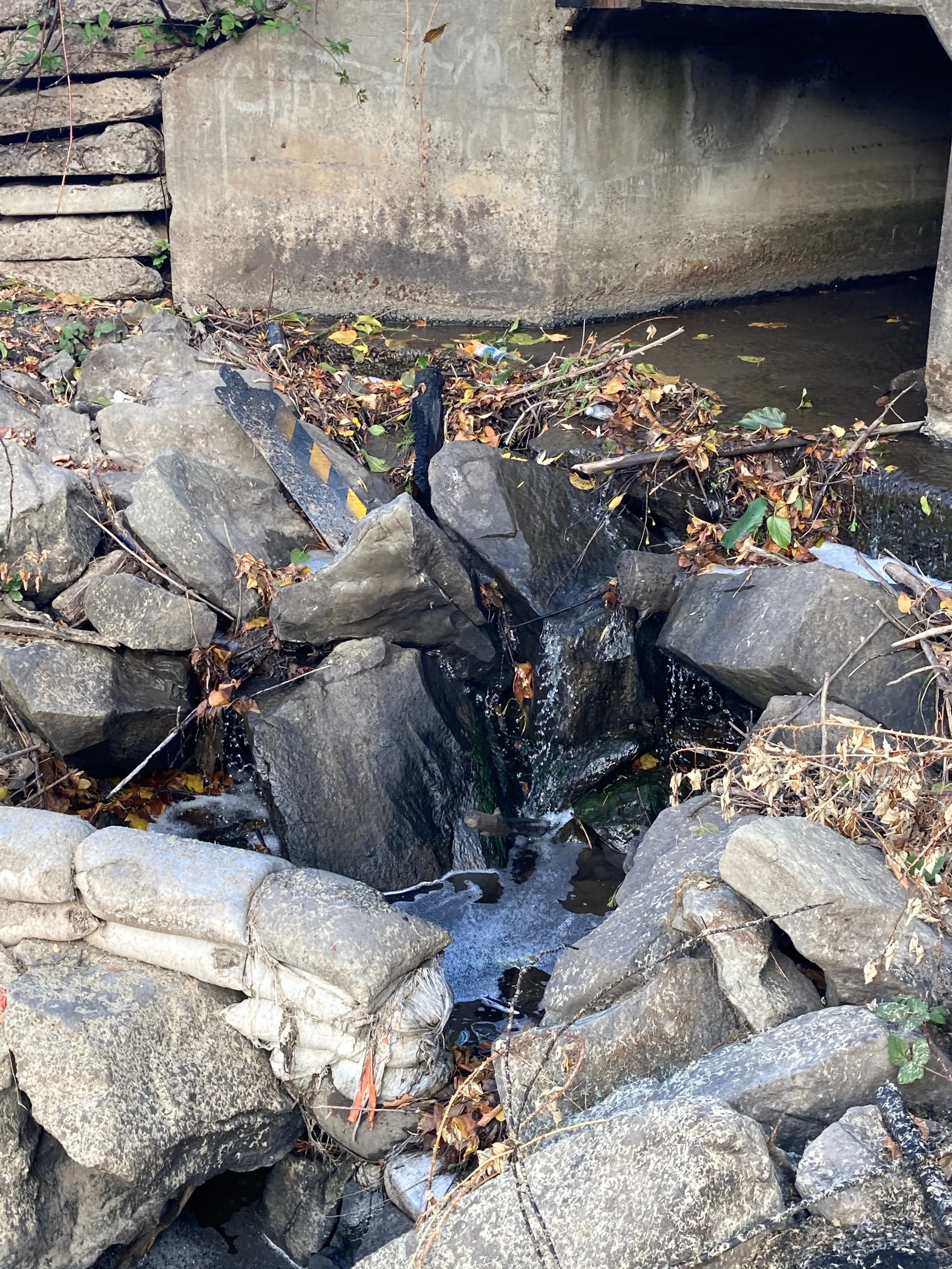
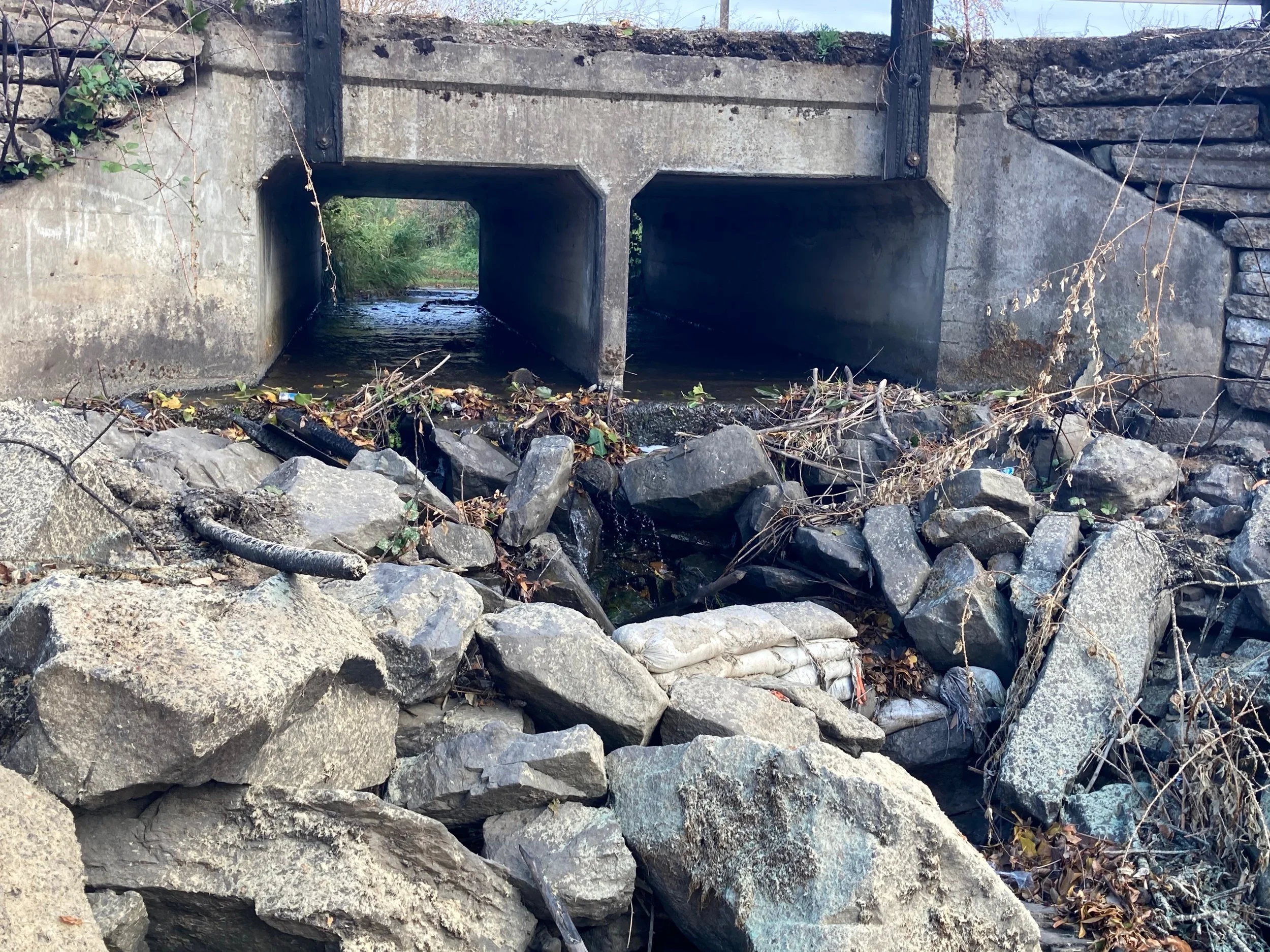
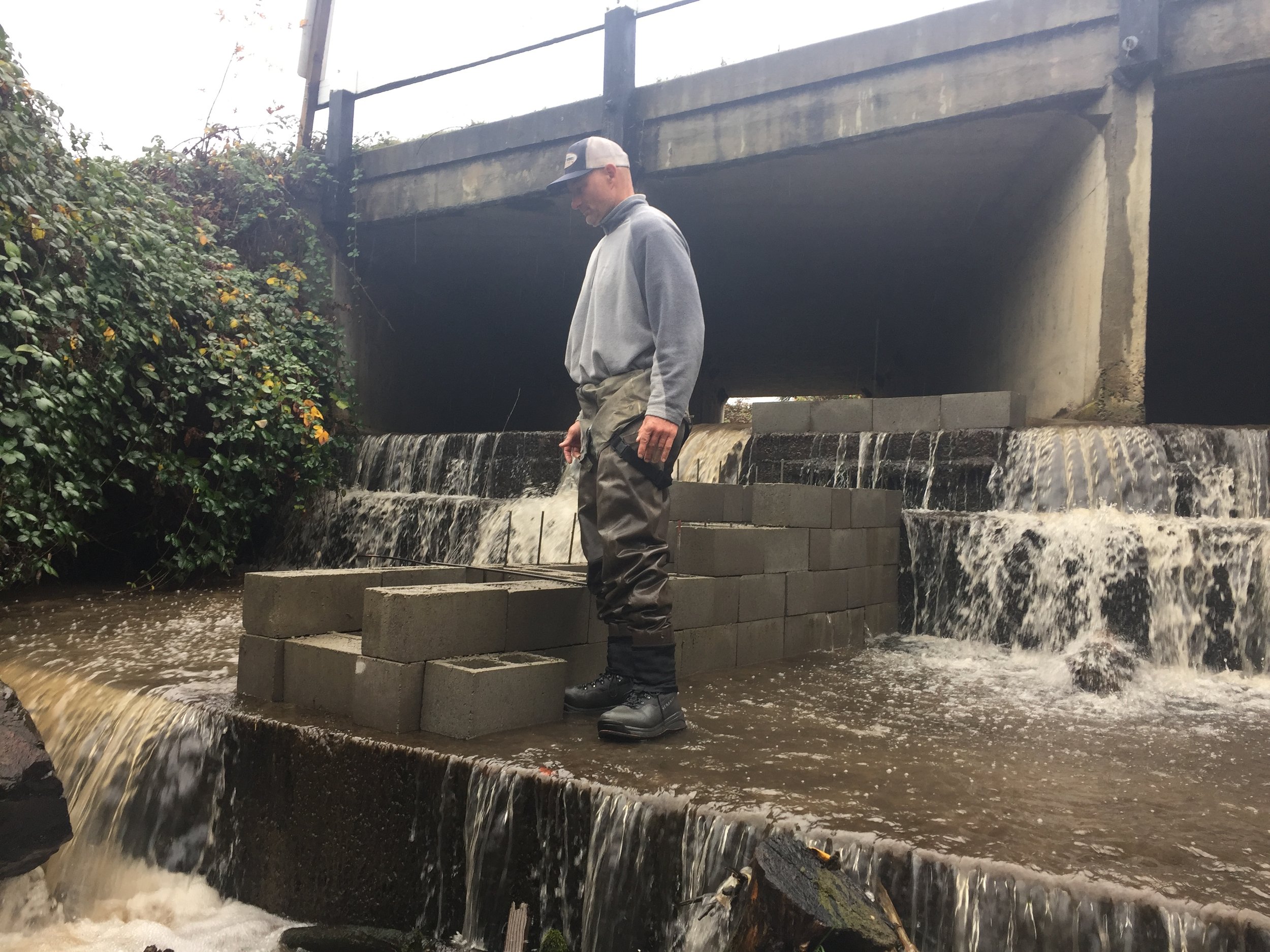
Human infrastructure shouldn’t be the end of a thousand mile journey. Before our founder’s intervention, this failing culvert acted as a migratory blockade, fragmenting the watershed and limiting access to miles of the creek’s best spawning and rearing habitat. Initially the problem was addressed by simply stacking some concrete-filled sandbags to create a pool the fish could use to jump the barrier. This bandaid fix only underscored the urgent need for a permanent engineered fish passage solution.
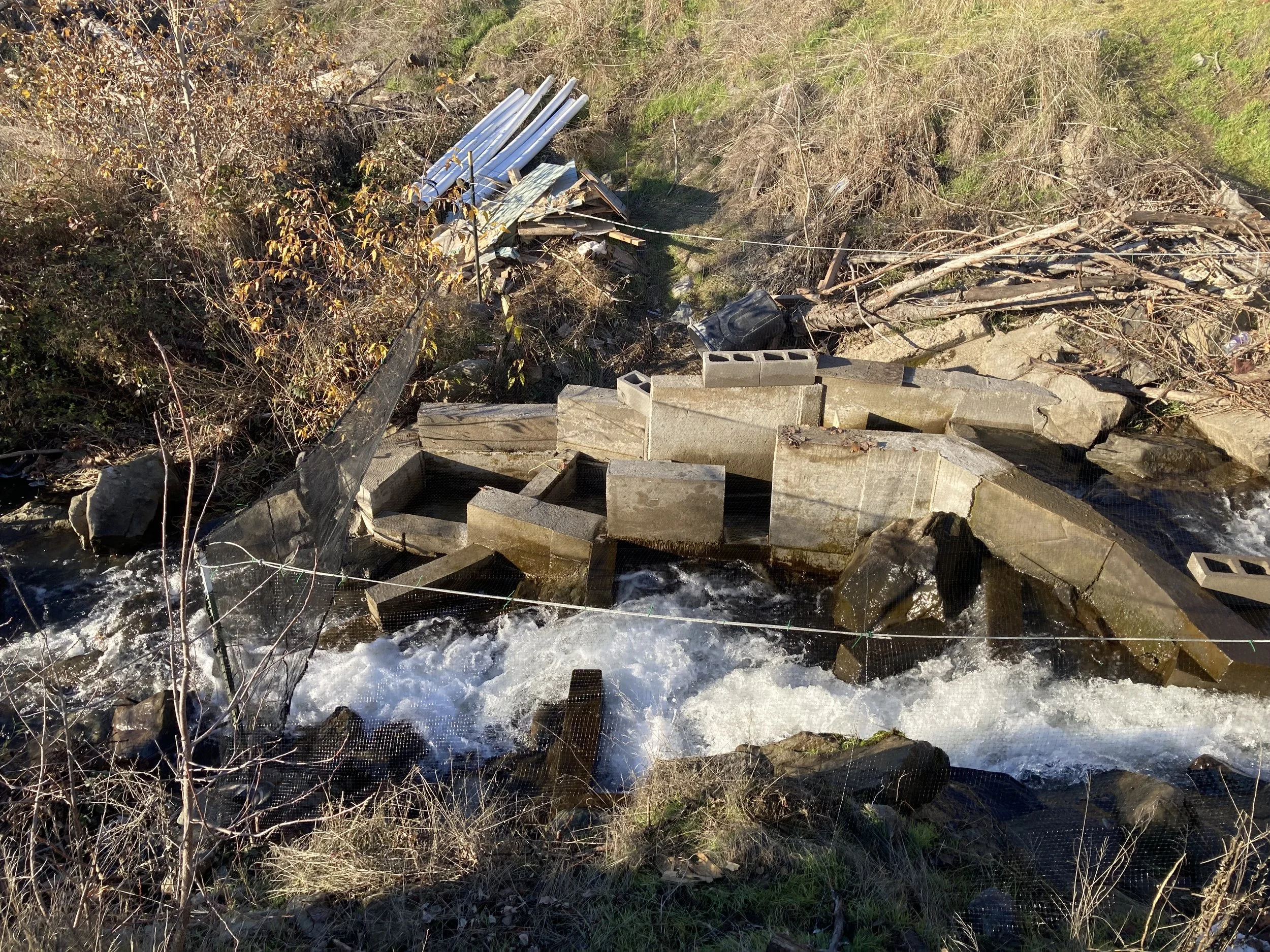
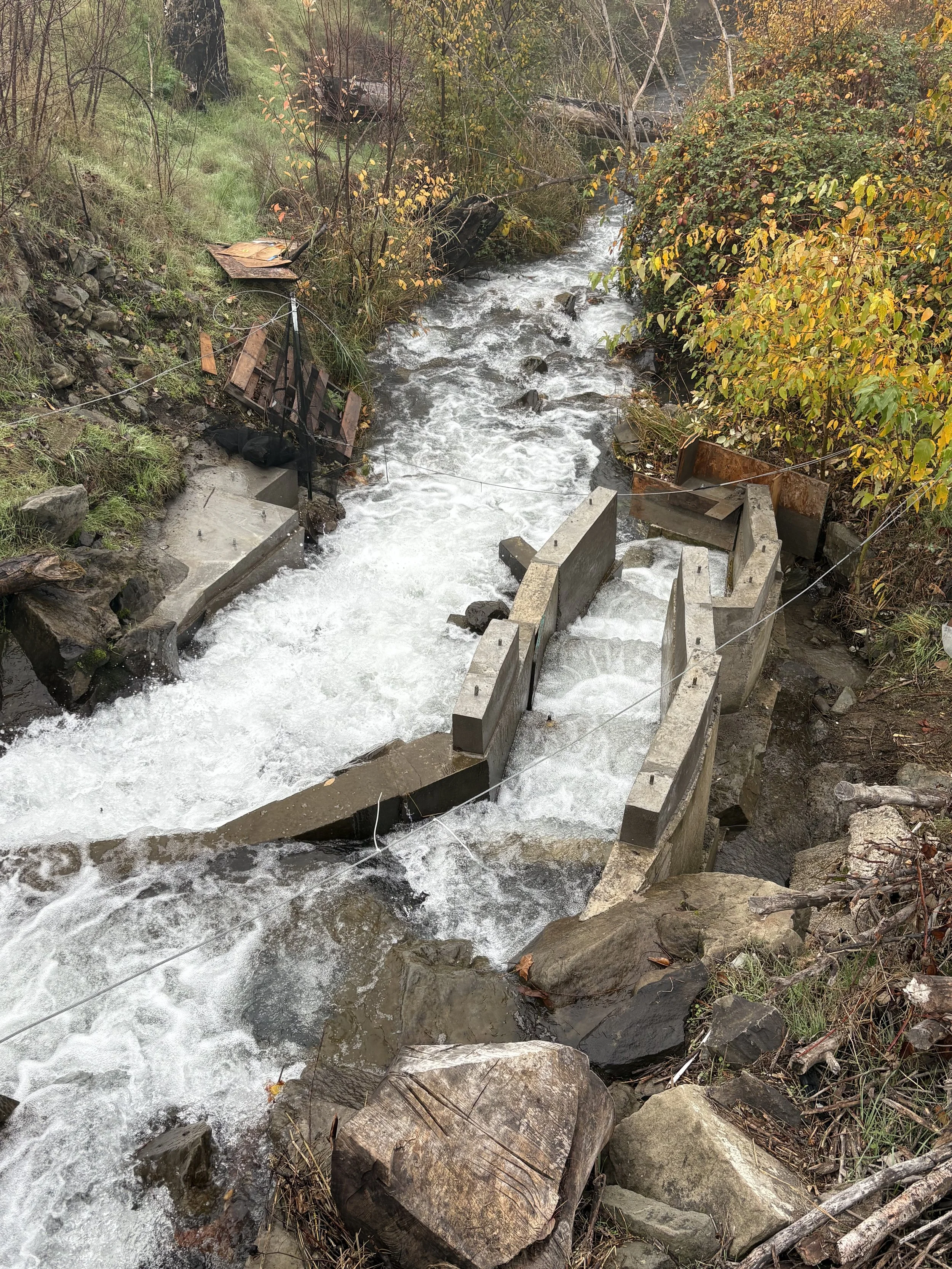
The completed fish ladder has been a resounding success for the watershed, providing 100% unimpaired passage for migrating adults as well as juveniles seeking critical winter refuge. The impact was immediate: in the very first season following completion, 13 pairs of summer steelhead were documented spawning above the ladder. Eliminating this barrier transformed a fragmented stream back into a thriving waterway, reopening miles of essential habitat within the Rogue River Basin.
For over 50 years, the Table Rock Road culvert presented a significant barrier that restricted the natural migration of wild salmonids up Lone Pine Creek. Following the fish ladder’s completion, an immediate increase in up-migration was observed, proving that the restoration efforts have yielded meaningful results for the watershed's long-term health. This footage of adult steelhead spawning illustrates how the project has restored unfettered passage into the stream’s most vital habitat.
Jackson Creek Ladder
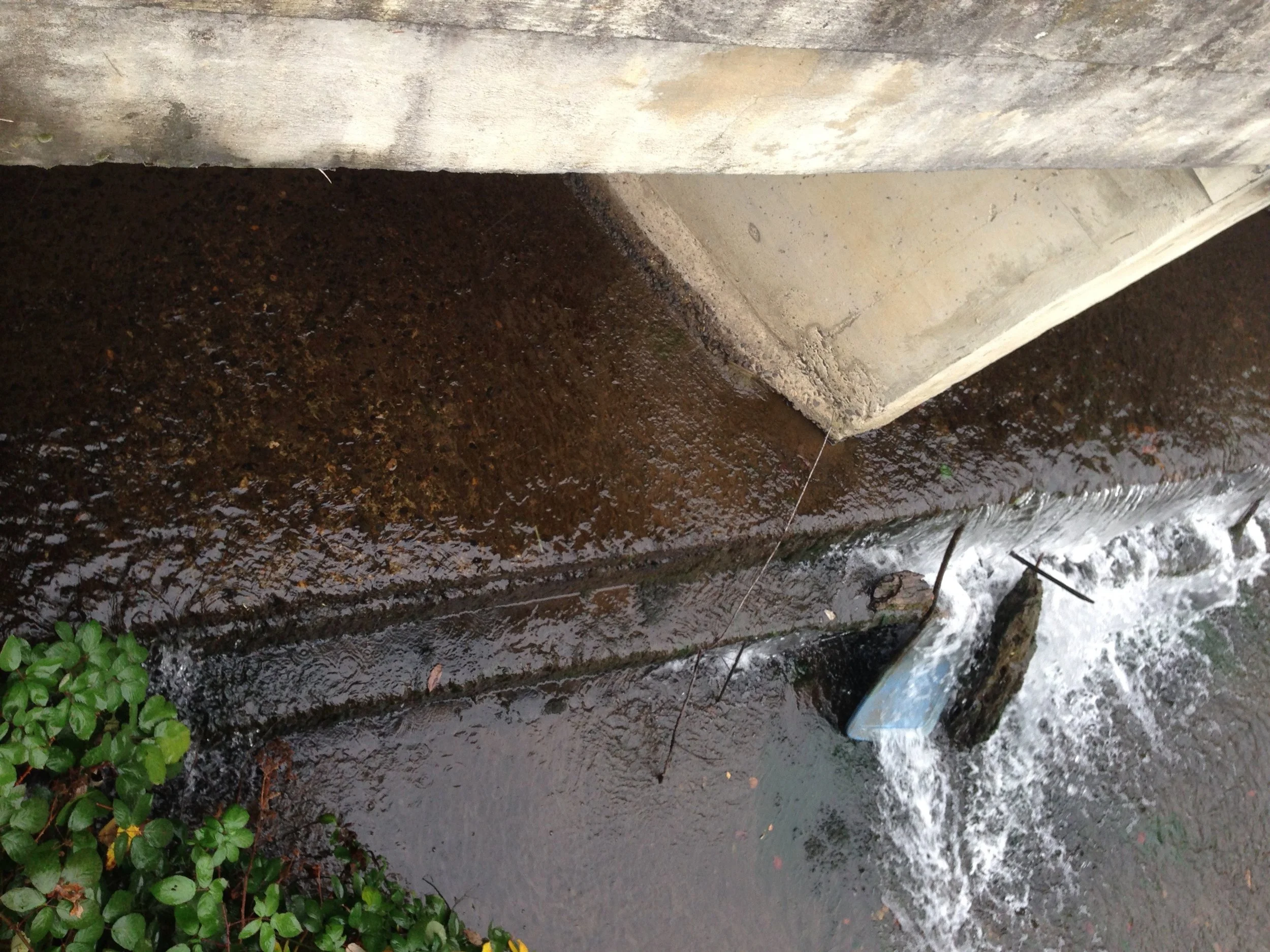
For over 75 years, the Hanley Road crossing has totally blocked fish passage due to the culvert’s three-foot drop and its massive concrete splash pad. Because the water spills onto a flat slab rather than into a natural pool, migrating fish were left with no depth to launch a jump, effectively stopping all migration.
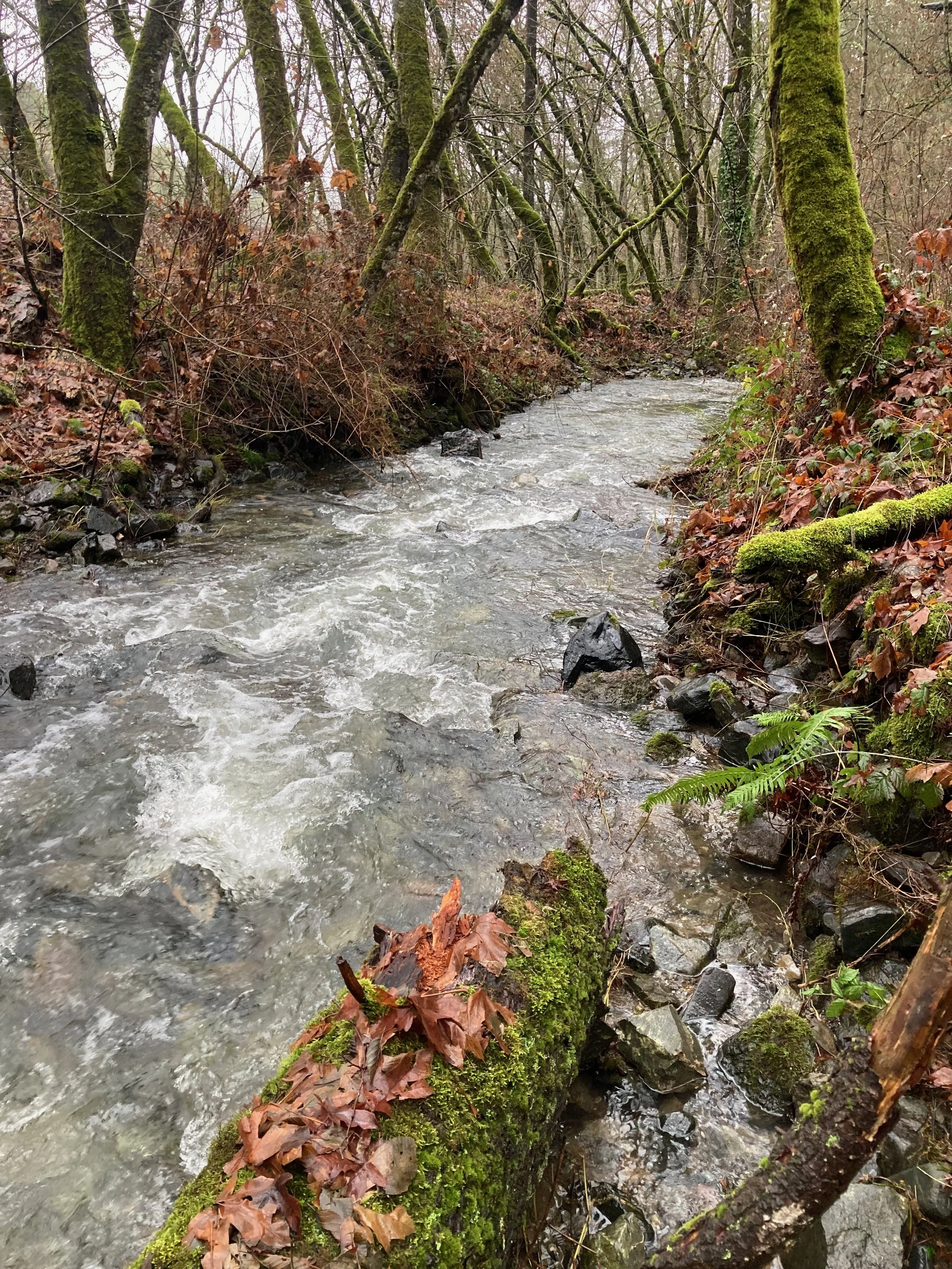
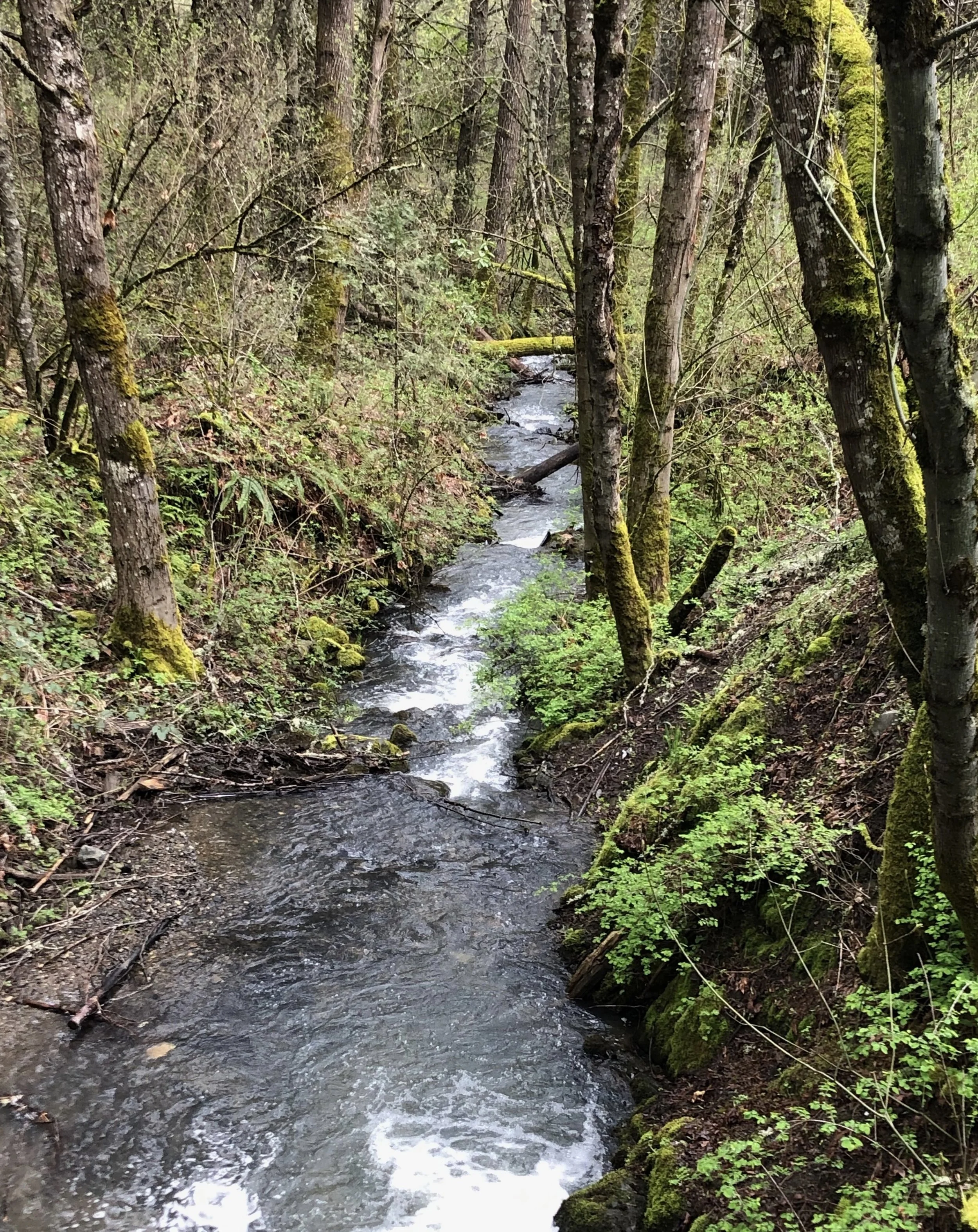
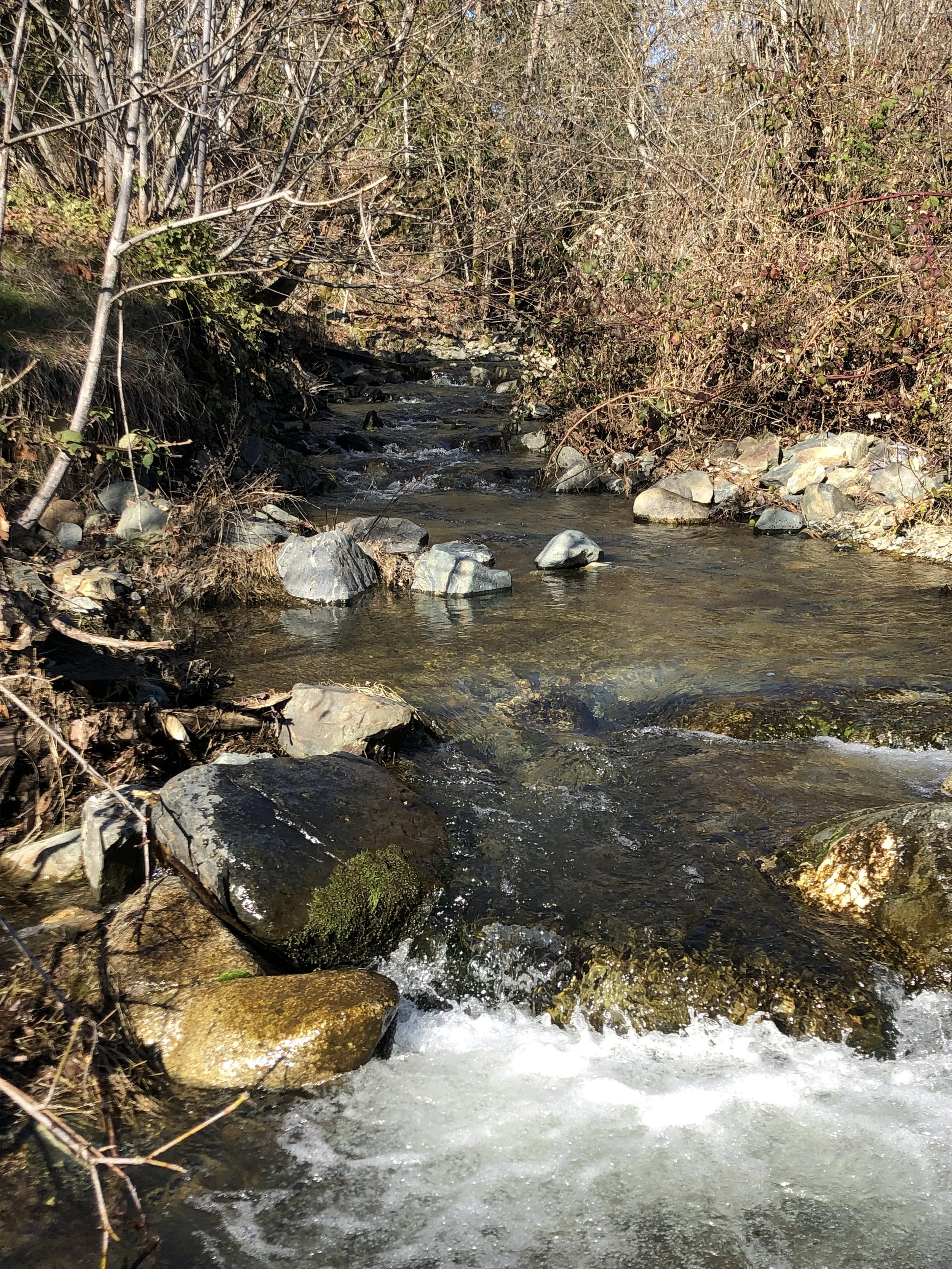
Beyond the Hanley Road barrier lies over five miles of high-quality spawning and rearing habitat that had been blocked off to salmon and steelhead for three-quarters of a century. Because much of these upper reaches flow through protected parkland, the stream environment remains remarkably healthy and intact. After seeing the potential of such vital habitat, the decision to roll up your sleeves and get to work becomes the only option.
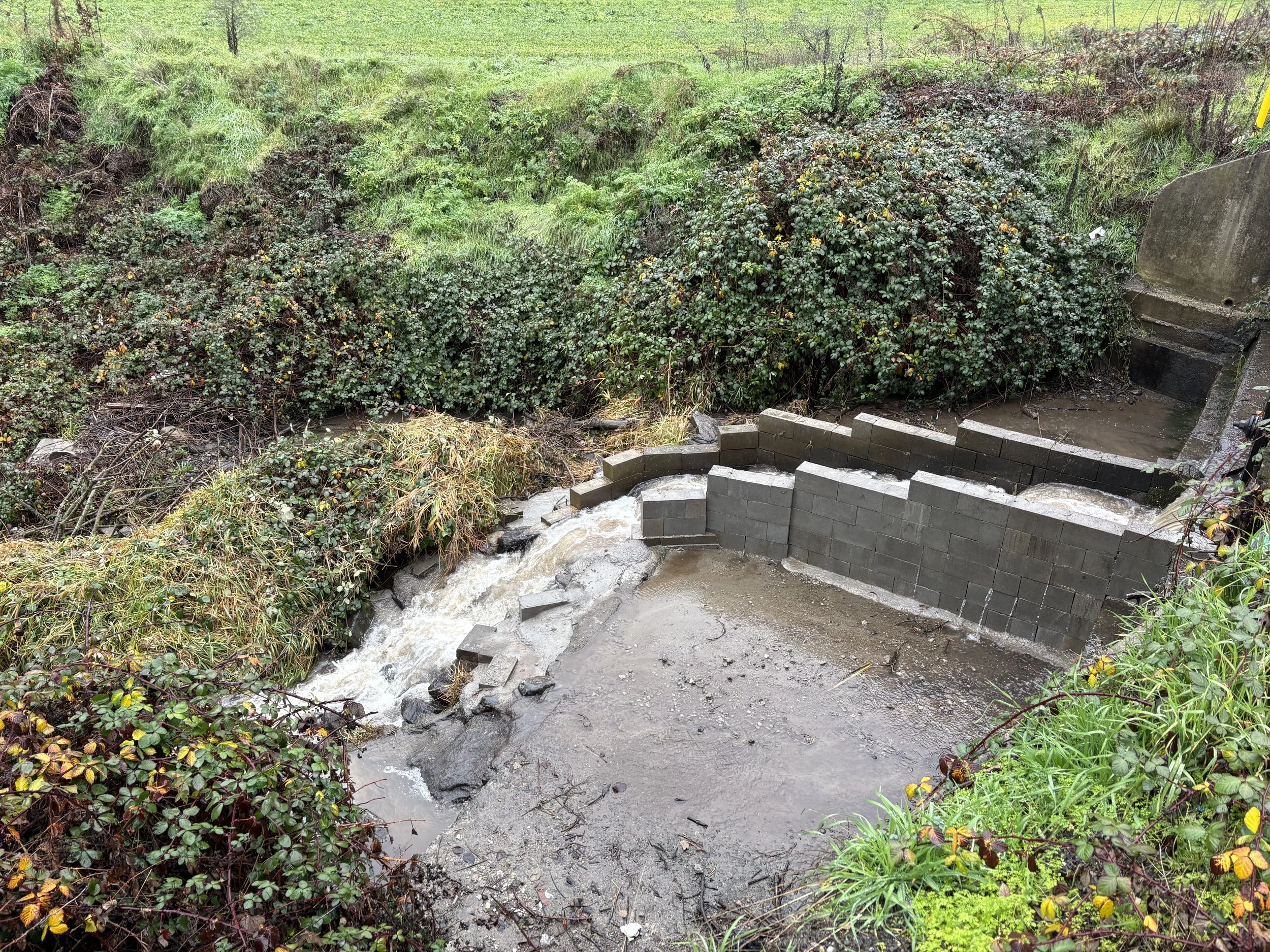
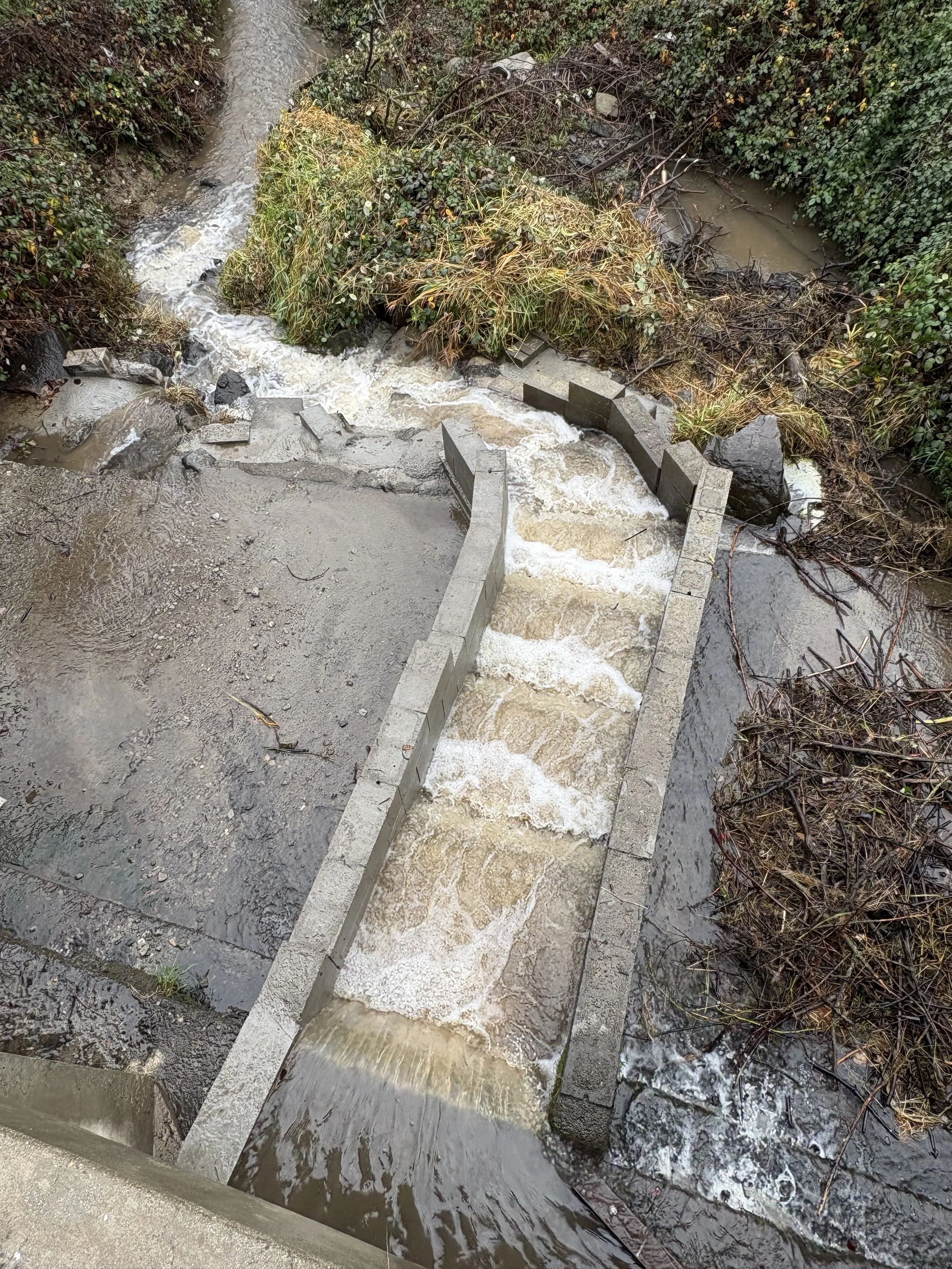
The Jackson Creek Fish Ladder stands as another testament to our founder’s commitment to long-term watershed recovery. What began eight years ago as an urgent 'quick fix' to a culvert barrier has evolved into a complex, multi-year project that required continued dedication and structural refinement. For over 75 years, this single obstruction completely blocked fish passage into five miles of high-quality upstream habitat. While the ladder has successfully renewed migration since its initial phase, upgrades and improvements continued over a number of years. Today, Jackson Creek is fully reconnected and allowing total passage into the creek's most upper reaches in pristine parkland.
Captured in a monitoring trap upstream of the ladder, this cooler full of healthy steelhead fry serves as a living testament to the project’s success. These juveniles are the direct progeny of the adult steelhead that navigated the fish ladder the previous winter. Documenting this new generation in a section of stream that was once inaccessible proves that the restoration efforts have successfully restored the full lifecycle of steelhead in the upper reaches of Jackson Creek.
Lazy Creek Ladder
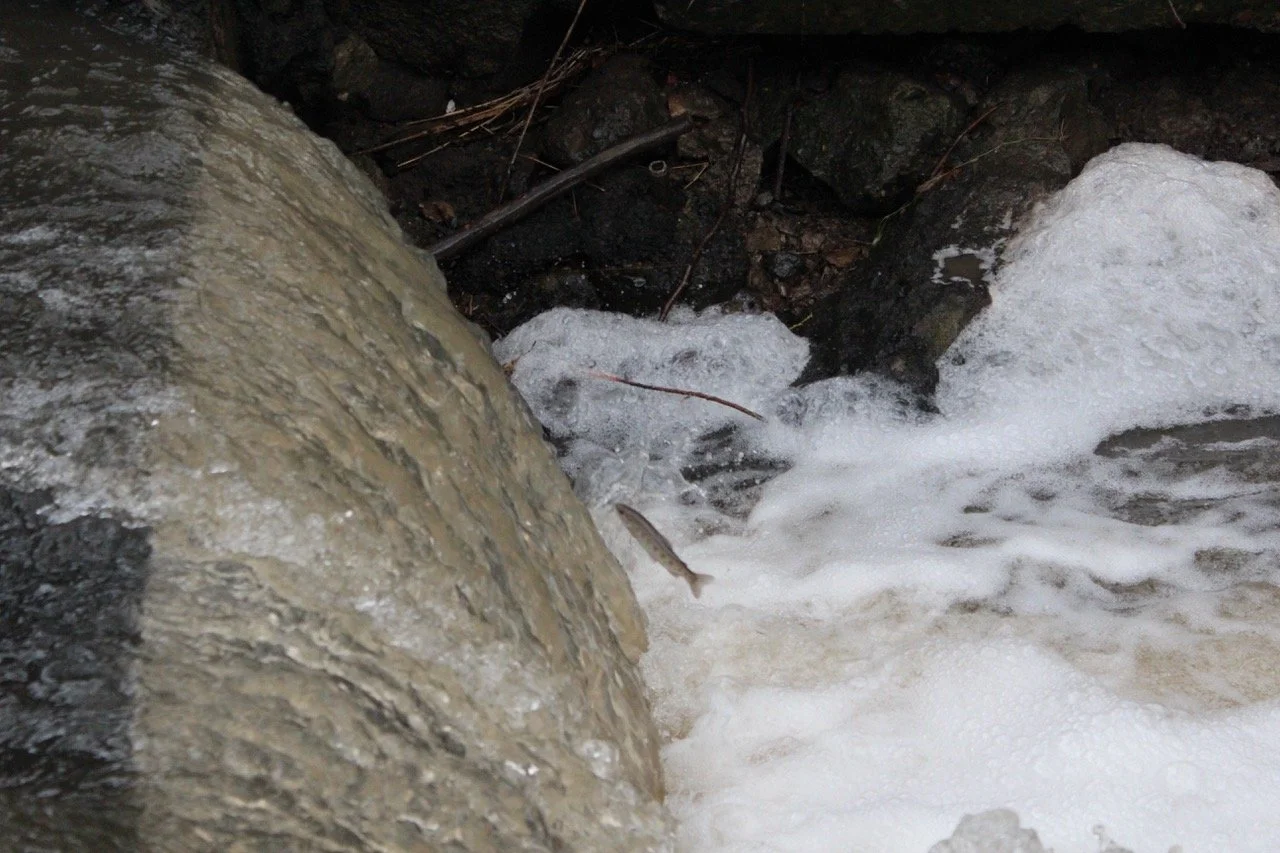
The Lazy Creek Ladder defines the mission of 3RC more than any other project our founder independently took on prior to forming the foundation. While larger advocacy groups often focus on major river systems and larger spawning tributaries, we believe that the health of our backyard urban streams is just as vital. These "forgotten" waterways are the arteries of our ecosystem, yet they are often written off or overlooked.
3RC exists because of streams like Lazy Creek. Our founder passed over this water every day on his way home from guiding, recognizing that even in an urban neighborhood, nature is fighting to persist. The success of this project is a reminder that our urban streams are more than just drainage ditches and have a place in the health of the river system. It is evidence that the wild can thrive in the middle of the most unlikely urban settings with a little help.
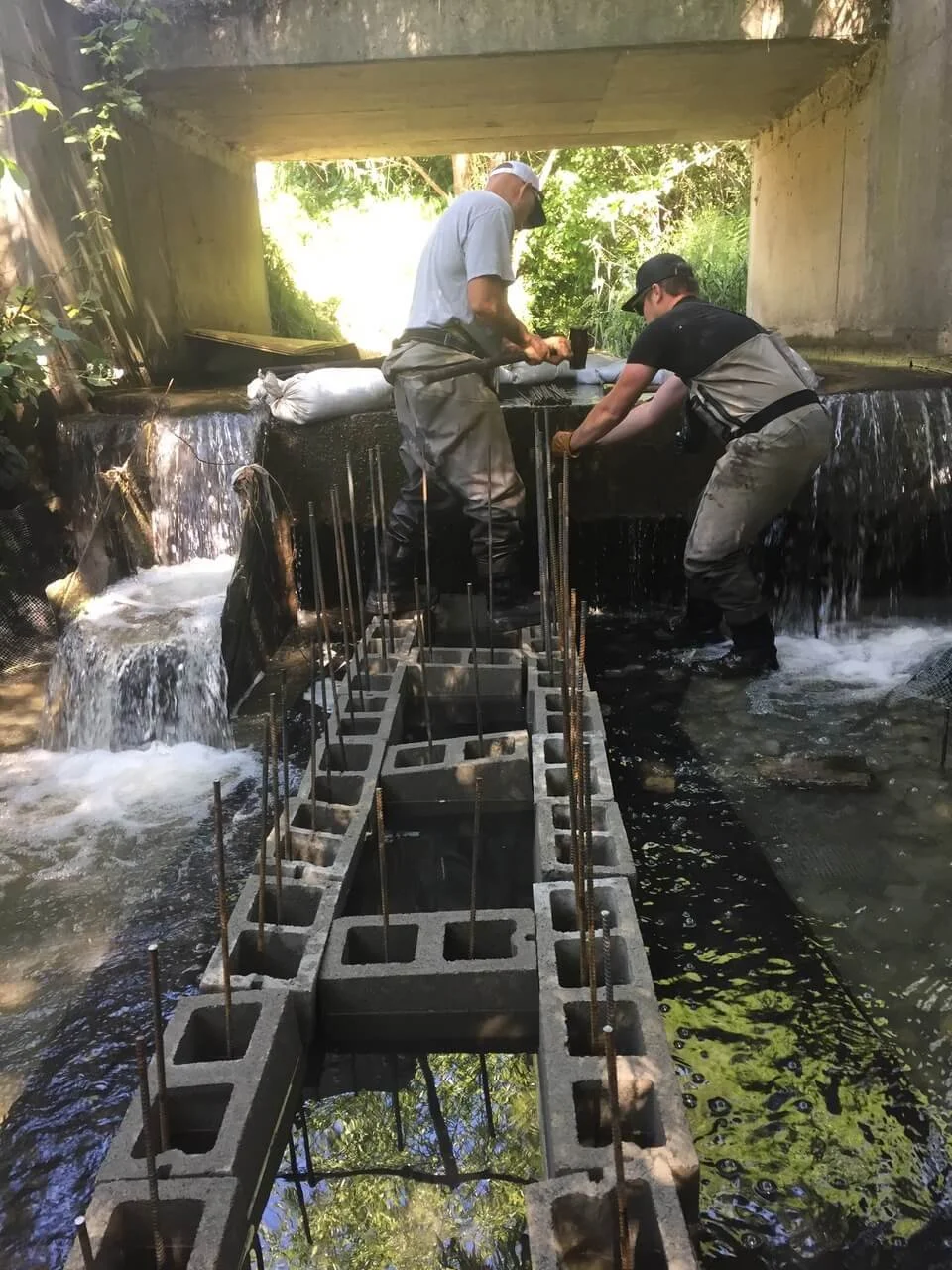
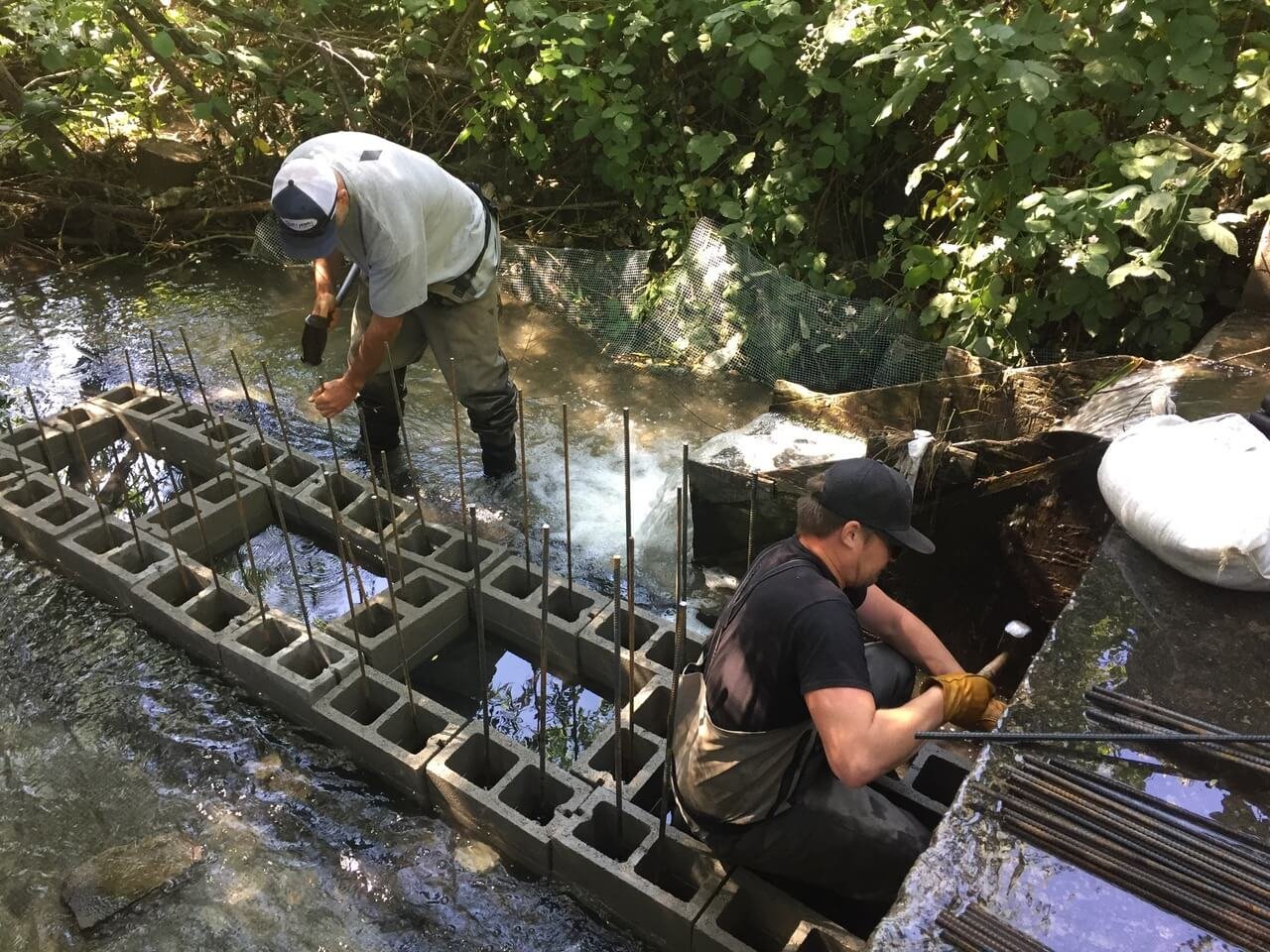
The first step in transforming this urban barrier was stabilizing the site. Four yards of rock to fill was brought in to fill a three-foot-deep plunge pool that had scoured out over years of high-flow "waterfall" action at the culvert's exit. This rock became the solid base for a concrete slab. Before the pour, rebar was meticulously spaced to align with the complex "jigsaw puzzle" of the cinder block walls, ensuring that once the blocks were laid and filled, the entire ladder would act as one reinforced, permanent structure.
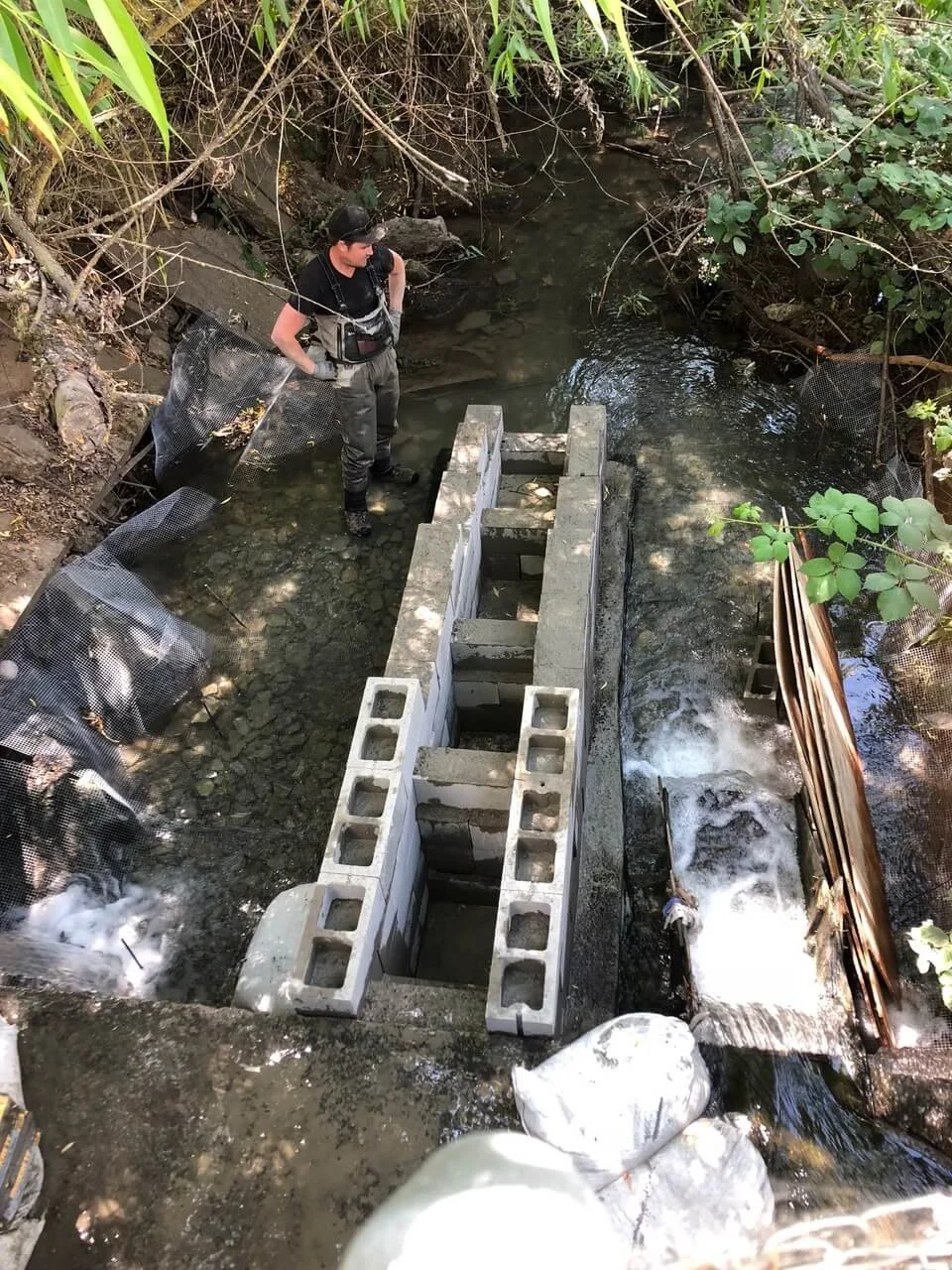
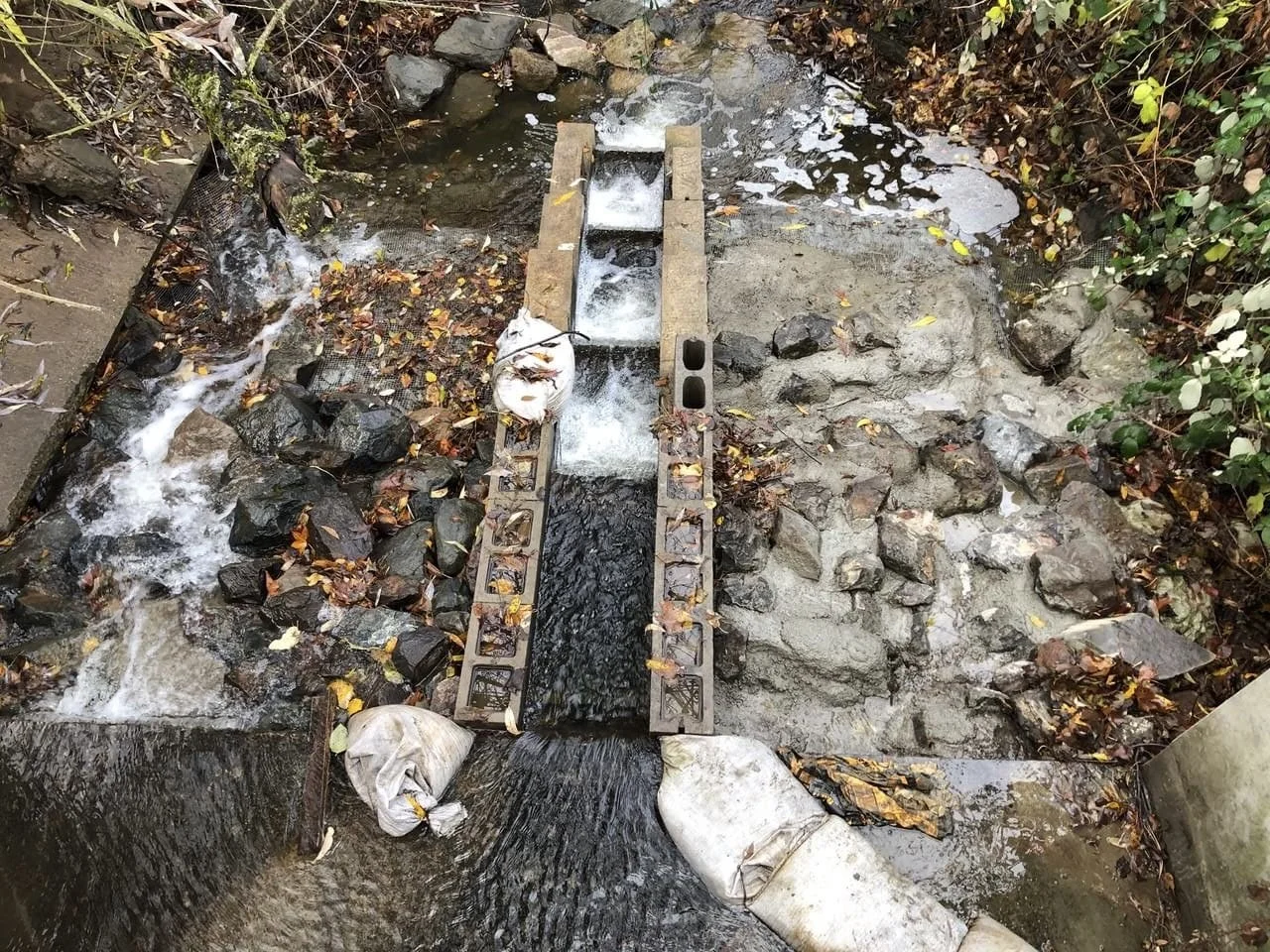
Once the heart of the ladder was complete, the focus was shifted to flood-proofing. To protect the structure from the high-velocity flows typical of urban runoff, heavy-gauge screen was laid along both sides and brought in three additional yards of rock. This rock was "pursed up" within the screen to prevent washout during winter storms. For the final layer of defense, large boulders were locked into place with concrete, creating a massive support network. Interestingly, this boulder field does double duty: it stabilizes the ladder and acts as an alternate migration route for fish when the water levels get high.
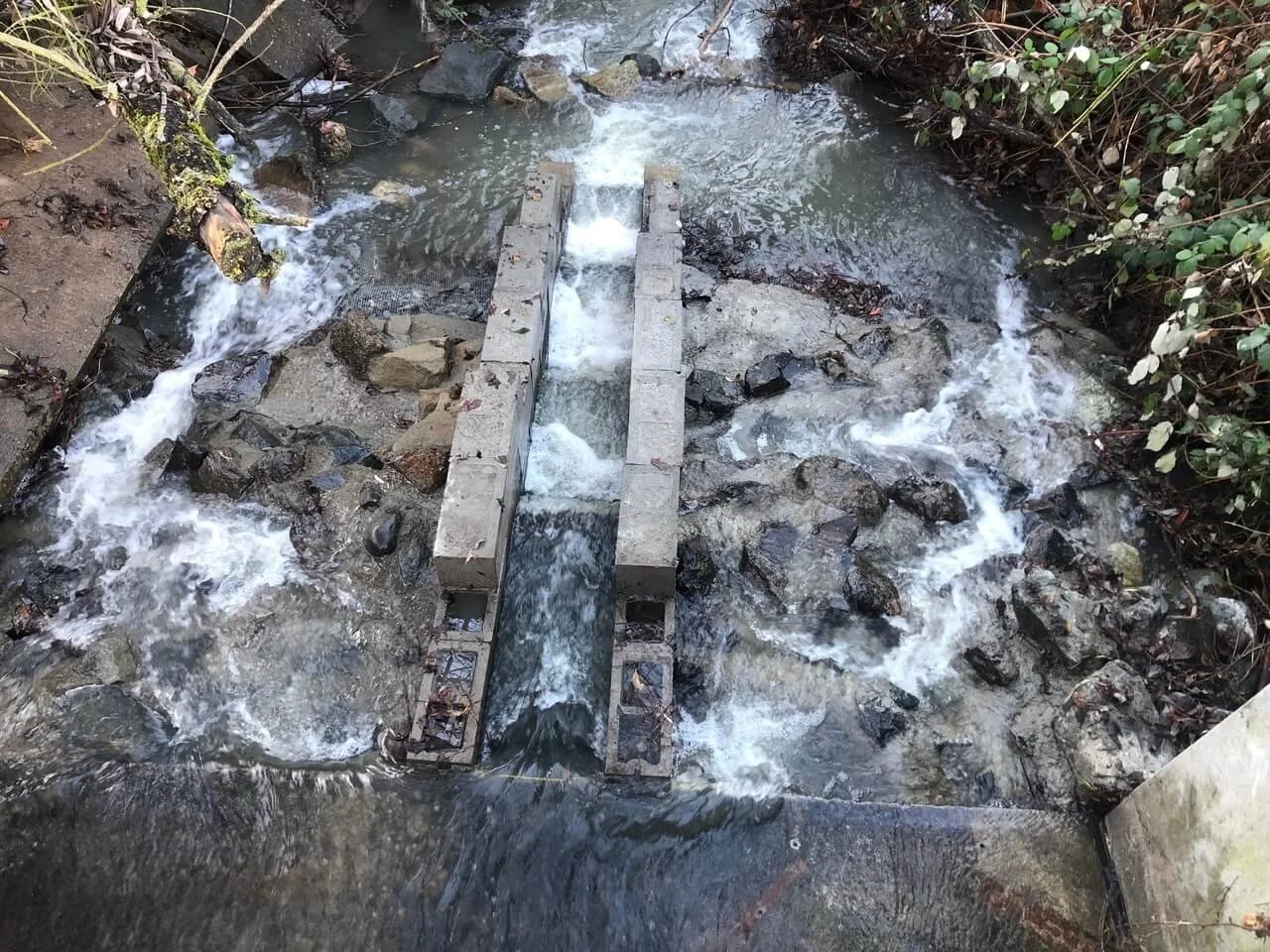
Once complete, the ladder worked perfectly, remaining a permanent fixture for eight years and providing vital passage to the creek’s upper reaches—the highest-quality habitat in the system. While the ladder served as a critical interim solution, the story has an even better ending. Today, the original barrier and the ladder have been removed and replaced with a bottomless expansion bridge. The creek now runs free, and the fish pass naturally through a restored channel, fulfilling the ultimate goal of any restoration project: returning the water to its wild state.
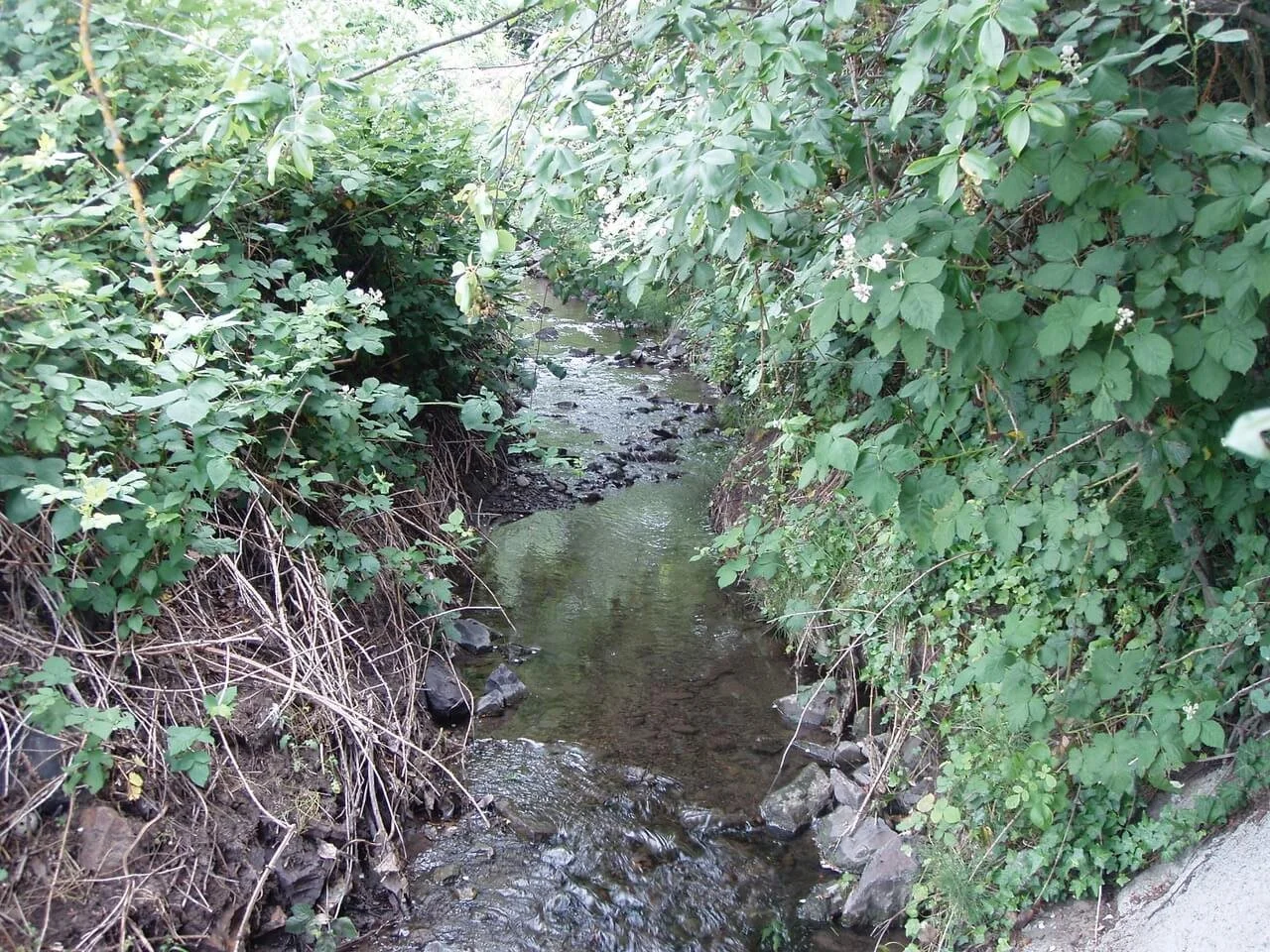
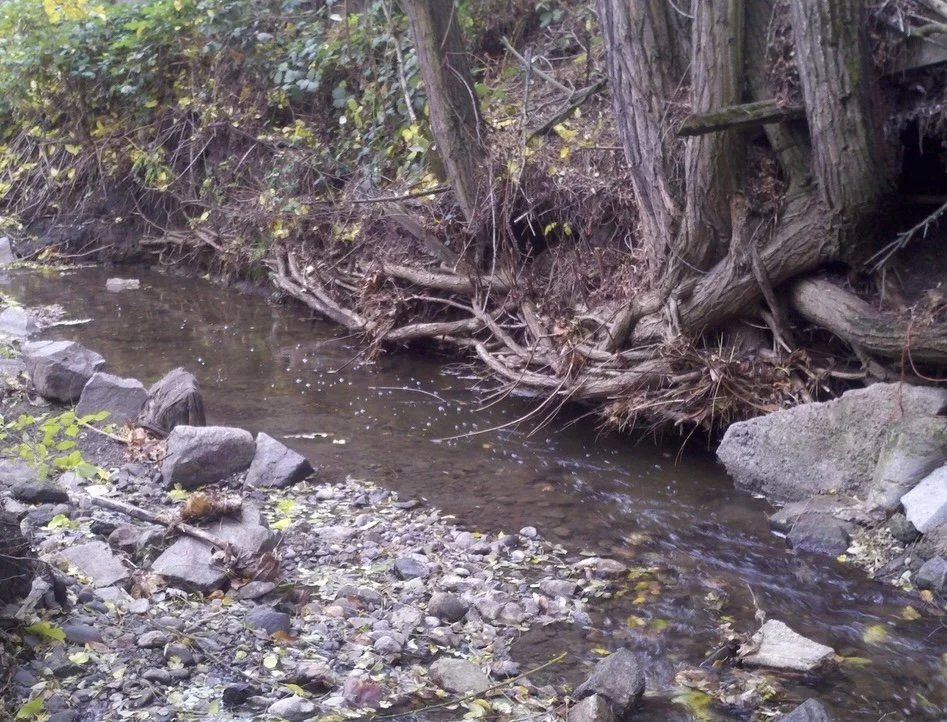
These upper reaches of Lazy Creek represent the stream’s best habitat. By providing a way over the culvert barrier, the ladder successfully reconnected steelhead to a stretch of water that resembles the Rogue’s more remote and less urban spawning tributaries. Reconnecting this environment ensures that steelhead have access to the quality habitat they require to successfully spawn and rear the next generation.