Blackberry Removal & Channel Clearing
The Grit Work
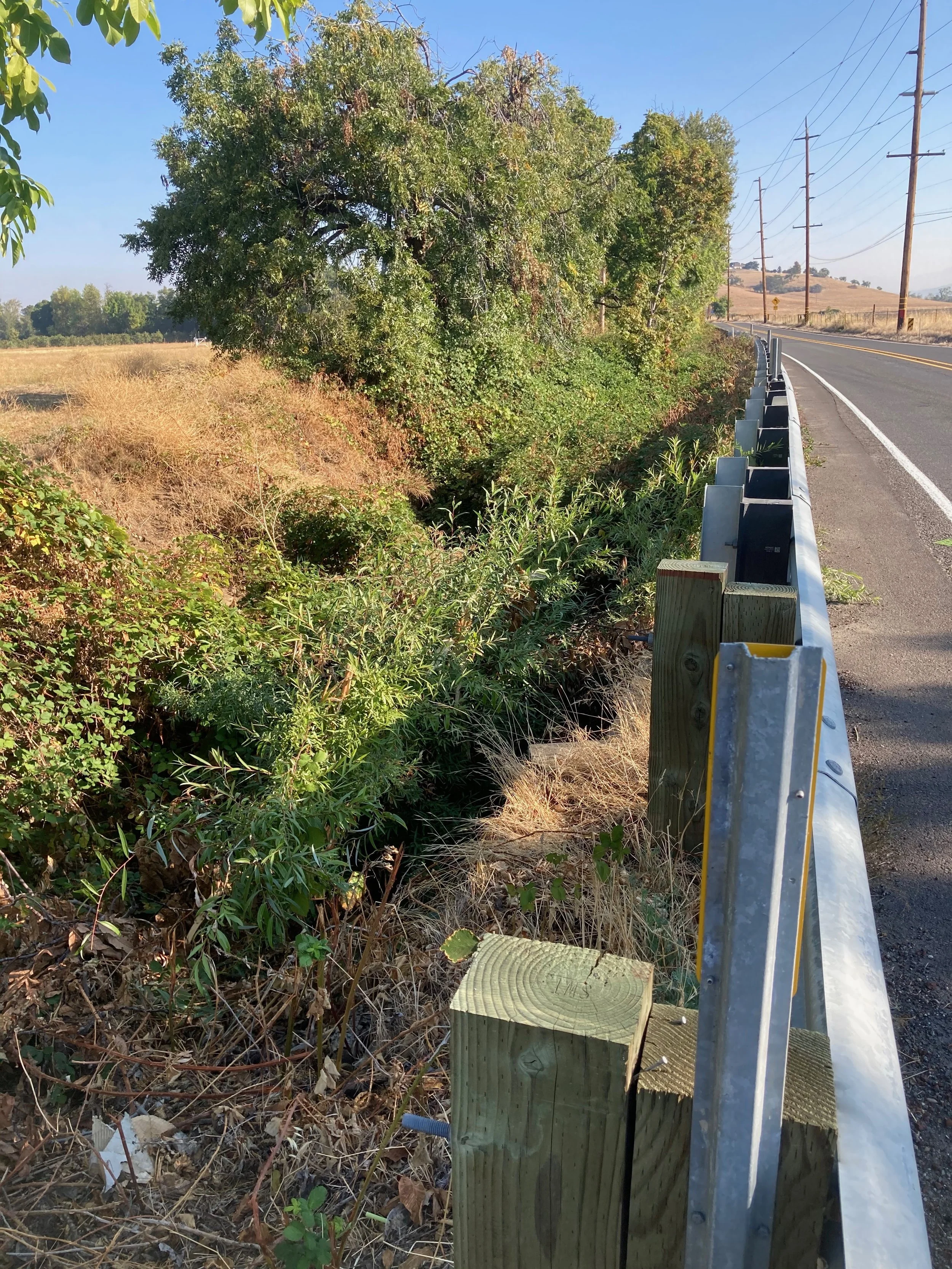
Let’s be honest: hacking through thickets of invasive Himalayan blackberry isn’t the "sexy" side of restoration that makes it into glossy magazines. It’s hot, thorny, and exhausting work. But we’ve found that clearing these choked-out creek channels is easily our "most bang for the buck" initiative. In many of our local tributaries, blackberry vines have grown so aggressively that they’ve marched right into the streambed, creating dense, tangled barriers that block fish passage and trap sediment.
While these clogged channels might fly under the radar of larger agencies, we see them as a massive opportunity for an immediate win. By partnering with a "can-do" crew of local volunteers, we rip out the overgrowth and reopen the vital waterways that salmon and steelhead rely on to reach their spawning grounds. It’s the definition of gritty, unglamorous labor, but seeing a creek flow freely for the first time in years is proof that it doesn’t always take a multi-million dollar project to make a life-changing difference for the river. Our focus on identifying and tackling these 'low-cost, high-reward' wins is exactly what sets us apart. We take pride in proving that a little bit of sweat and a lot of heart can do more for the fish than a mountain of paperwork
The Obstacle Is Obvious
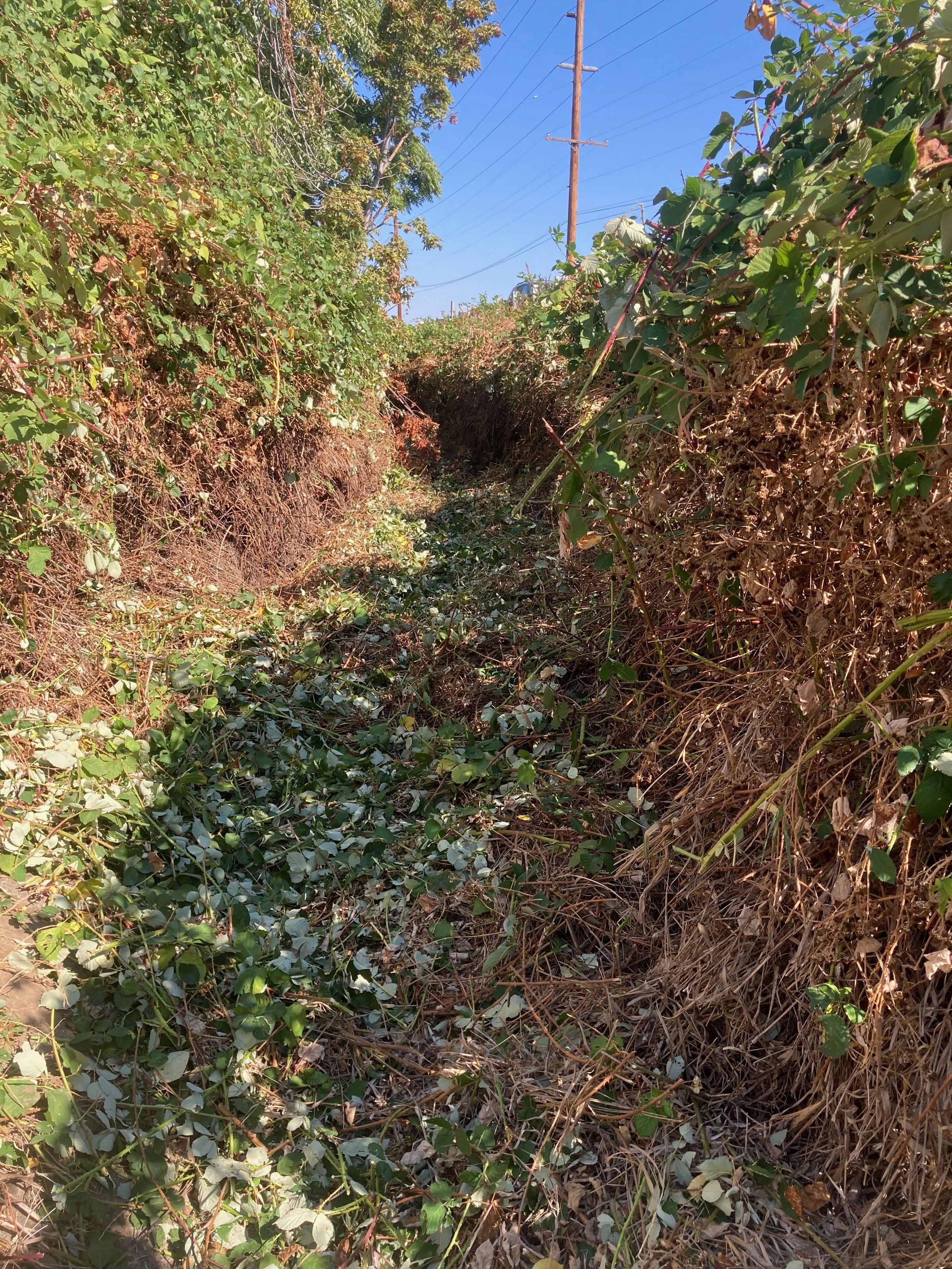
When most people think of a fish passage barrier, they picture a massive concrete dam or a rusted-out culvert—they don’t usually think of a common bush. But as the photos show, you don’t need a degree in fish biology to see that a tangled web of invasive blackberries can create a total road block. These berries don't just grow along the bank; they march right into the streambed, weaving together a cage that not only stops fish migration but also traps sediment and slows the flow to a crawl.
Blackberries present a problem across dozens of the Rogue’s spawning tributaries. These vines have seized entire reaches on a number of our local creeks, turning vital spawning grounds into inaccessible thickets. It’s going to take some “out-of-the-box” thinking to come up with a long term solution to an issue that grows worse by the day.
Results That Speak Volumes
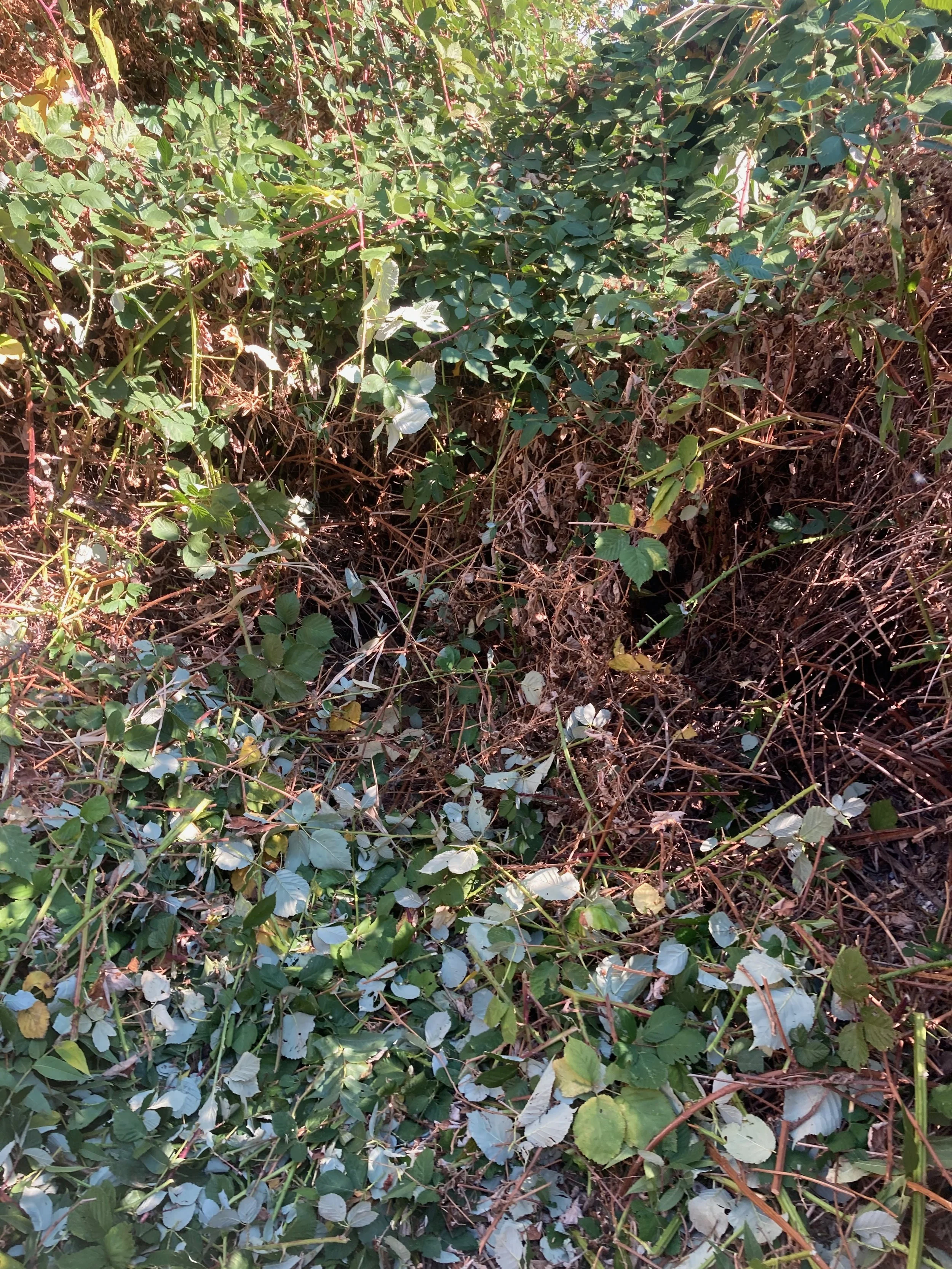
Before
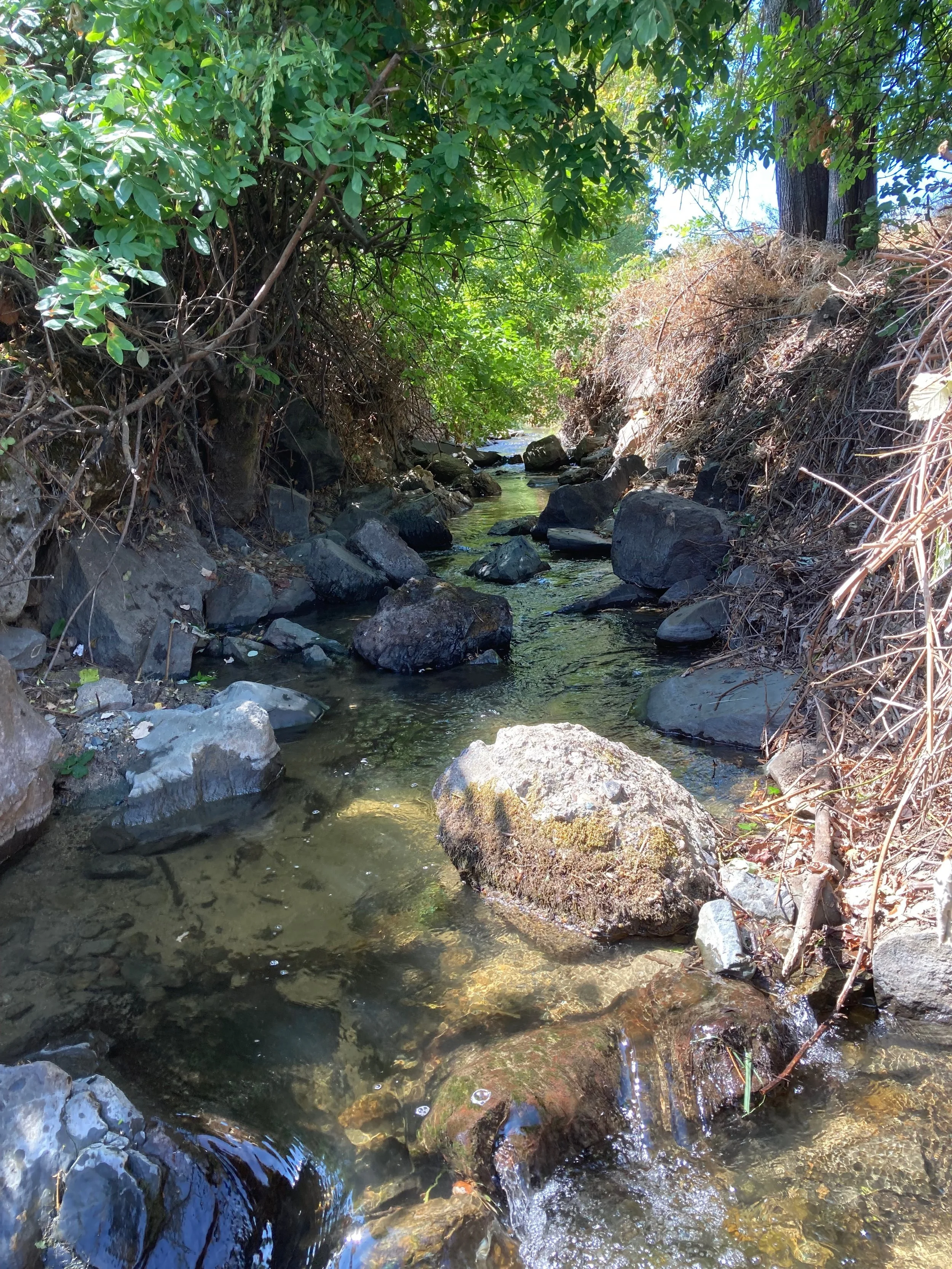
After
More Than A Barrier
Beyond creating an impassible migration barrier, these invasive blackberry thickets are devastating to the health of the riparian habitat. They act as a biological carpet, choking out the soil and making it impossible for native trees like cottonwoods and alders to take root. Without those trees, there is no canopy to shade the water from the blistering summer sun, causing creek temperatures to skyrocket.
This lack of a forested bank also cuts off the natural cycle of woody debris; without falling branches and trunks to provide underwater structure, the creek loses the vital hiding spots juveniles need and the stability required to hold spawning gravel in place. By ripping out the berries, we aren't just clearing a path—we’re restarting the clock for a healthy, shaded, and complex forest to return
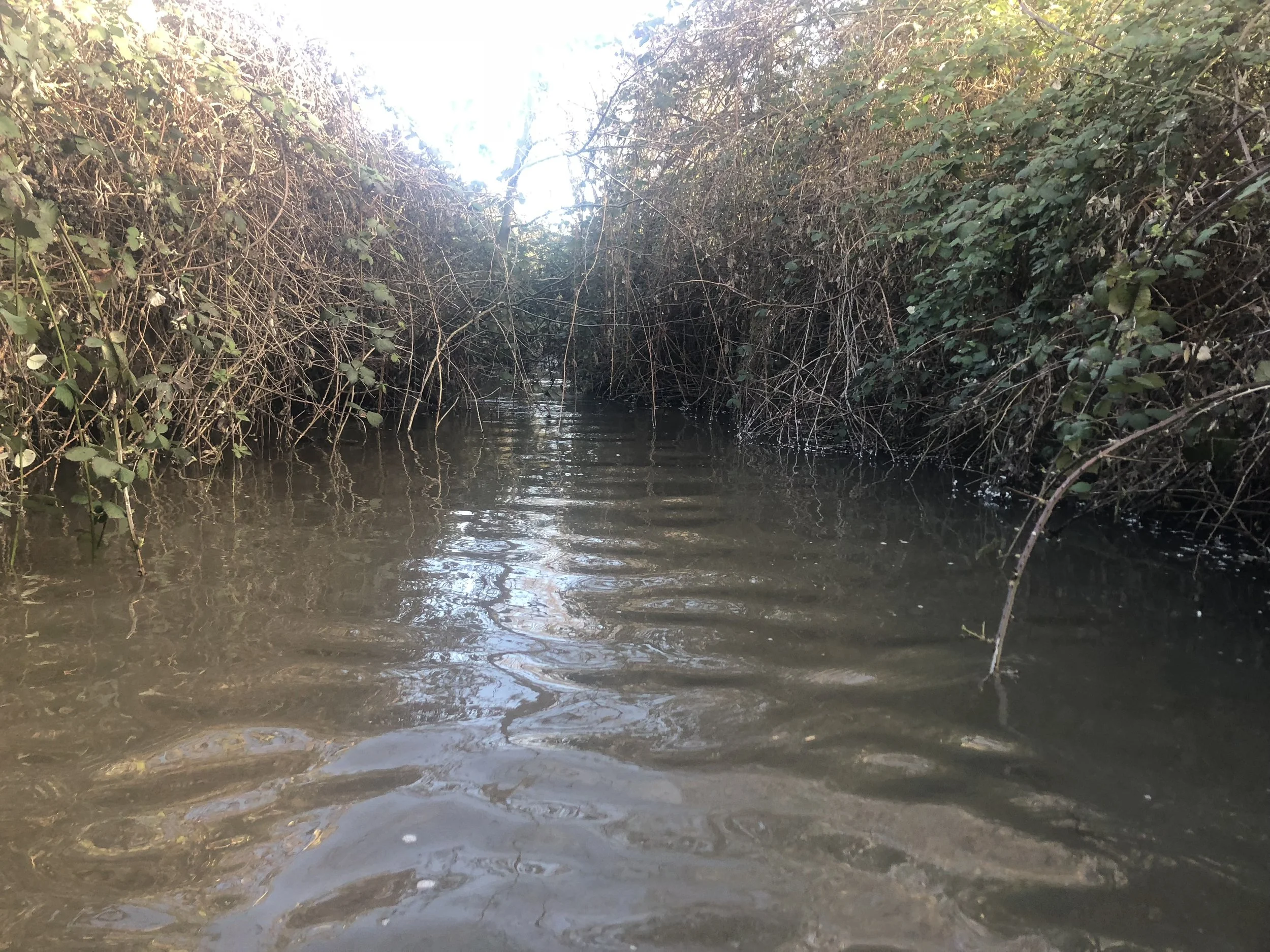
Even for us at the 3RC, the task can feel daunting. We recognize that breaking the stranglehold these blackberries have on our creeks requires "out of the box” thinking and a relentless long-term strategy. The problem grows exponentially by the day; every ray of sunshine extends these vines deeper into the streambed, magnifying the problem. Anyone who has tried to keep blackberries at bay knows why it can feel like a losing battle. If it weren't for the fact that we see such instant, rewarding results from our efforts, it would be easy to be deterred by such a monumental challenge. Yet, with every cut, we see the water begin to flow free. Frequently, we even watch fish rush to claim the newly liberated creek while we’re still working. Seeing that instant transformation is what fuels our motivation and keeps us in the fight.
A Long Term Commitment