When Streams Vanish
The Rogue’s small spawning tributaries are the primary incubators for the entire system, but the window for life in these streams is closing faster every year. Historically, these creeks would hold water well into the summer, giving juvenile steelhead the time they needed to hatch and reach the age to migrate into the main river. Today, under the pressure of a changing climate, that timeline is broken. The rains arrive later, and the summer heat arrives sooner, leaving thousands of steelhead fry trapped in disconnected, evaporating pools before they are genetically programmed to leave.
At 3RC, we don’t believe these fish are a "lost cause" just because the timing has shifted. Our Fry Salvage program is a boots-on-the-ground response to this crisis—physically relocating stranded juveniles from drying streambeds to the safety of the Rogue’s main flow. It’s gritty, urgent work, but for many of the Rogue's tributaries, it’s the difference between a lost generation and a sustainable population.
Fry Salvage Program
A Vanishing Path
As summer temperatures climb, the Rogue’s smaller spawning tributaries undergo a quiet but devastating transformation. While these creeks have always seen reduced flows in the dry season, the timeline has shifted. Today, the water levels drop faster and much earlier than they did historically—seeping into the gravel and leaving behind a series of disconnected, stagnant pools. For the juvenile steelhead, the path to the main river is effectively blocked. What was once a vibrant migration corridor becomes a trap, as the receding water creates impassable barriers that disconnect these fish from the life-sustaining flows of the Rogue.
Rescuing The Future
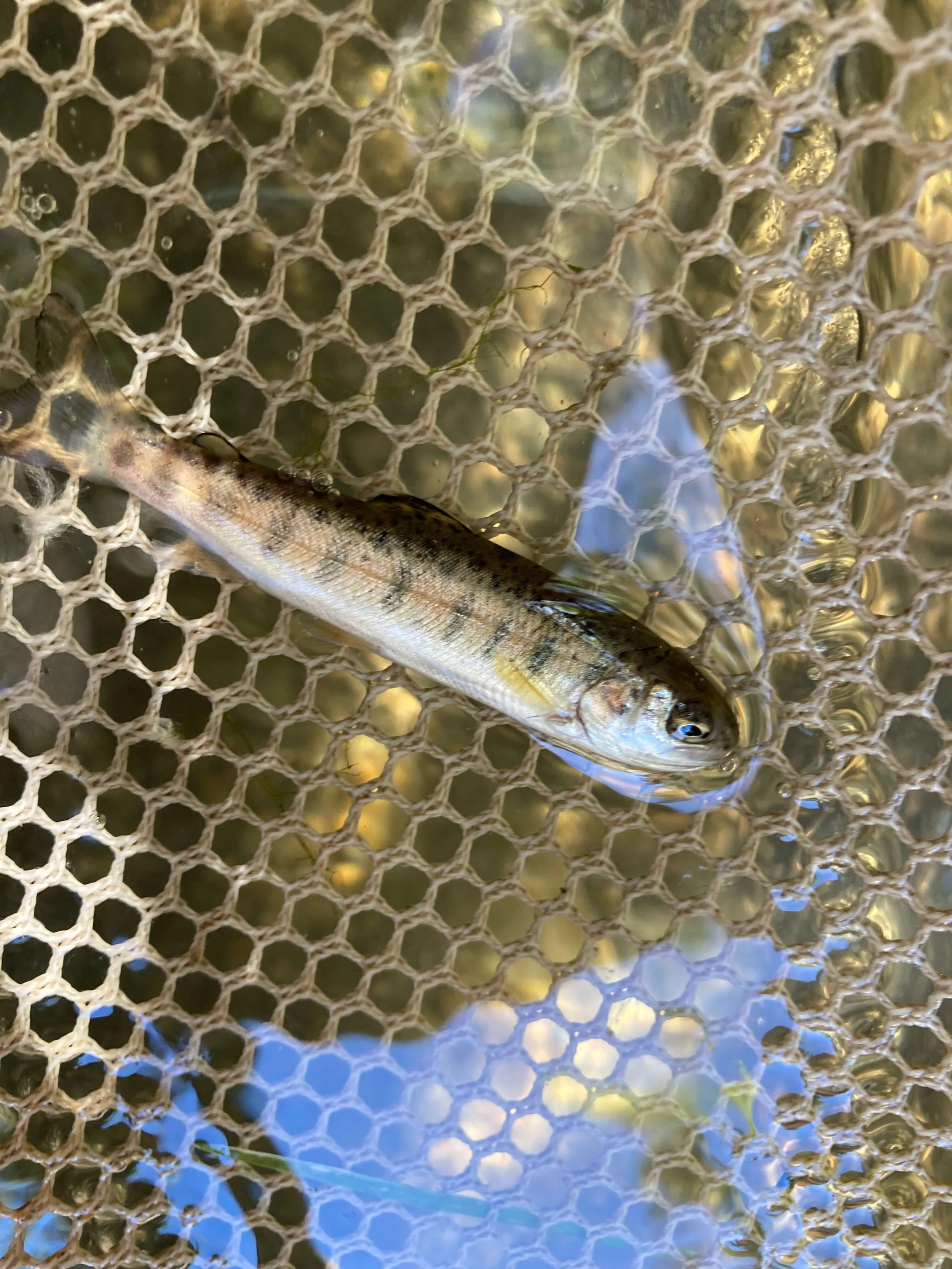
The wild steelhead of the Rogue River are a biological marvel, specifically evolved to thrive in the rugged, rain-shadowed landscape of Southern Oregon. Unlike their cousins in the wet, coastal North, Rogue summer steelhead have developed a sophisticated survival strategy for a hot, dry climate. The adults enter the river in summer and fall, positioning themselves to ride the very first winter pulse into the smallest, seasonal tributaries to spawn. Most importantly, their offspring are genetically programmed for speed: these fry hatch and migrate out of the small creeks by late spring, seeking the deep, cool refuge of the main river before the summer sun takes hold. This "early exit" strategy is a unique evolutionary trait that allows them to use spawning grounds that would be death traps for any other steelhead. At 3RC, we are working to protect this population of specific genetic survivors.
As the climate continues to trend toward a drier, more volatile future, it is precisely these resilient genes adapted to arid conditions that will serve as the biological insurance policy for the survival of the species.
The Best Release
At 3RC, one of our most rewarding missions is rescuing steelhead fry trapped as the Rogue’s spawning tributaries dry up far earlier than they historically did. Releasing hundreds of steelhead fry into the cool water refuge of the main Rogue is a level of fulfillment that no trophy catch could ever match. As the video shows, the immediate impact of our efforts is undeniable. Watching hundreds of silver flashes dart away from the stagnant heat of a dying tributary and into the cool flow of the Rogue provides instant validation for every mile hiked and every hour spent in the sun. In that single action, "certain death" is traded for a fighting chance, and the future of the river’s steelhead run is tangibly strengthened.
A Tightening Noose
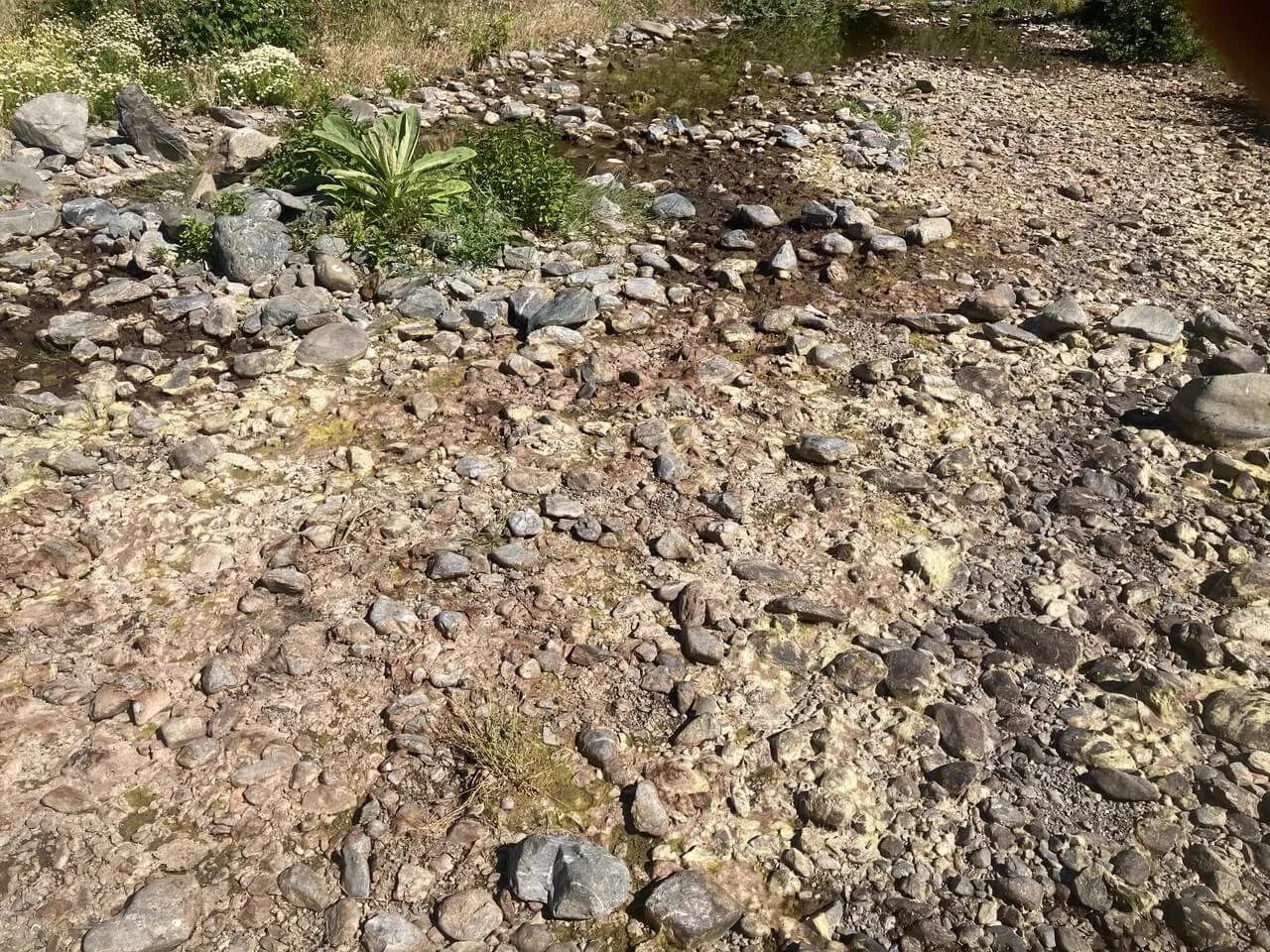
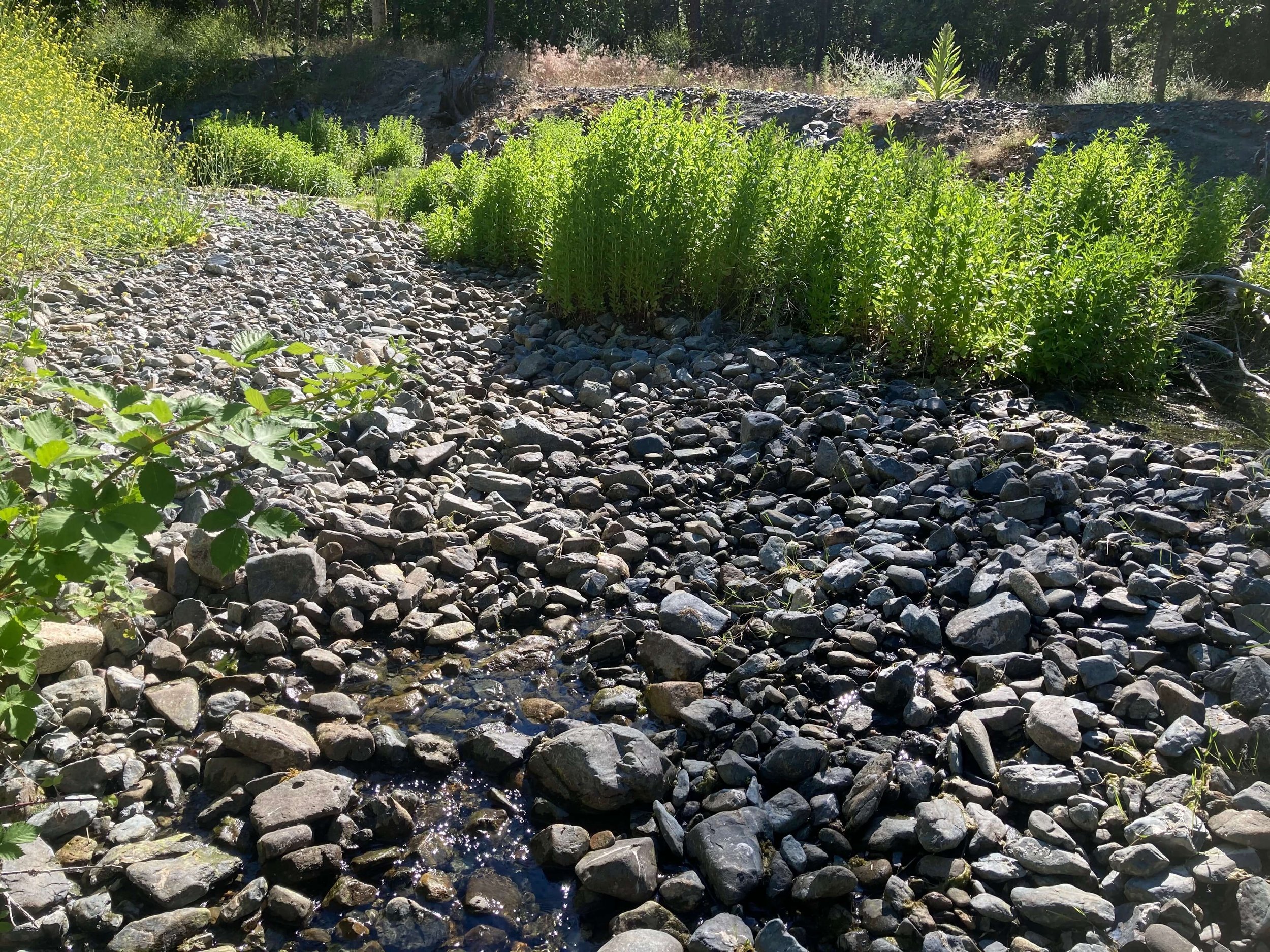
A classic lock-point: notice how the water simply vanishes into the rocks, leaving a dry bridge that breaks the connection to the Rogue and traps thousands of fry upstream.
A "lock-point" is the invisible wall that turns a nursery into a trap. It occurs at specific reaches where the surface flow of a tributary drops so low that the water stops running over the streambed and instead seeps entirely into the gravel, flowing underground. For a juvenile steelhead, this is a total blockade—a physical severance of the path to the main river. On some of our most critical spawning tributaries, the primary lock-point often forms just a few hundred yards from the confluence with the Rogue. When this "gate" closes, it doesn't just hinder migration; it seals the fate of an entire season’s progeny. As the summer progresses and the remaining upstream pools evaporate, any fish trapped behind that lock-point faces an inevitable death sentence. Because of our shifting climate, we are now seeing these creeks lock in earlier than ever—often before the fry have reached the age to begin their journey—meaning a single dry week can wipe out the genetic future of an entire stream.
Bridging The Gap
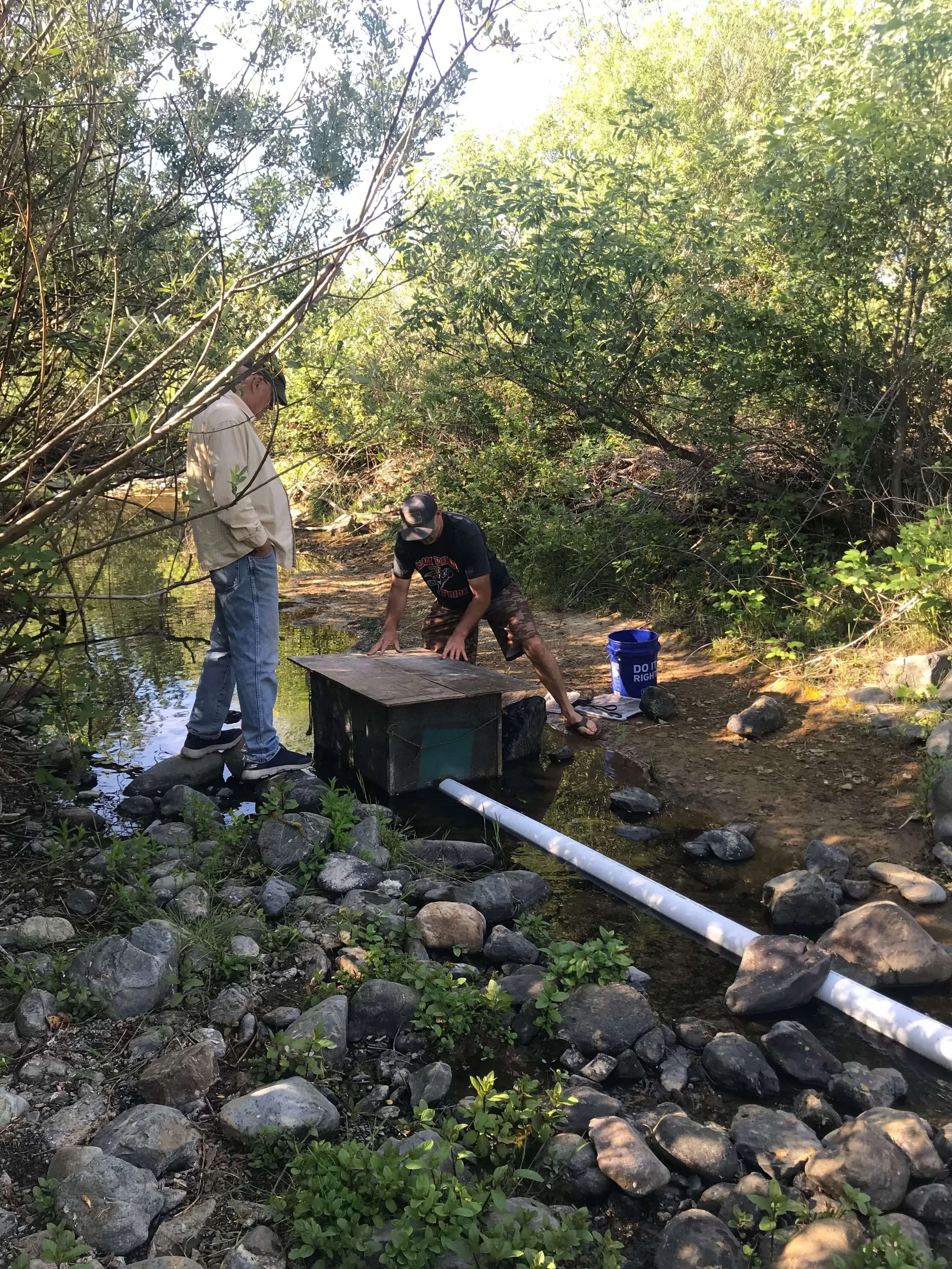
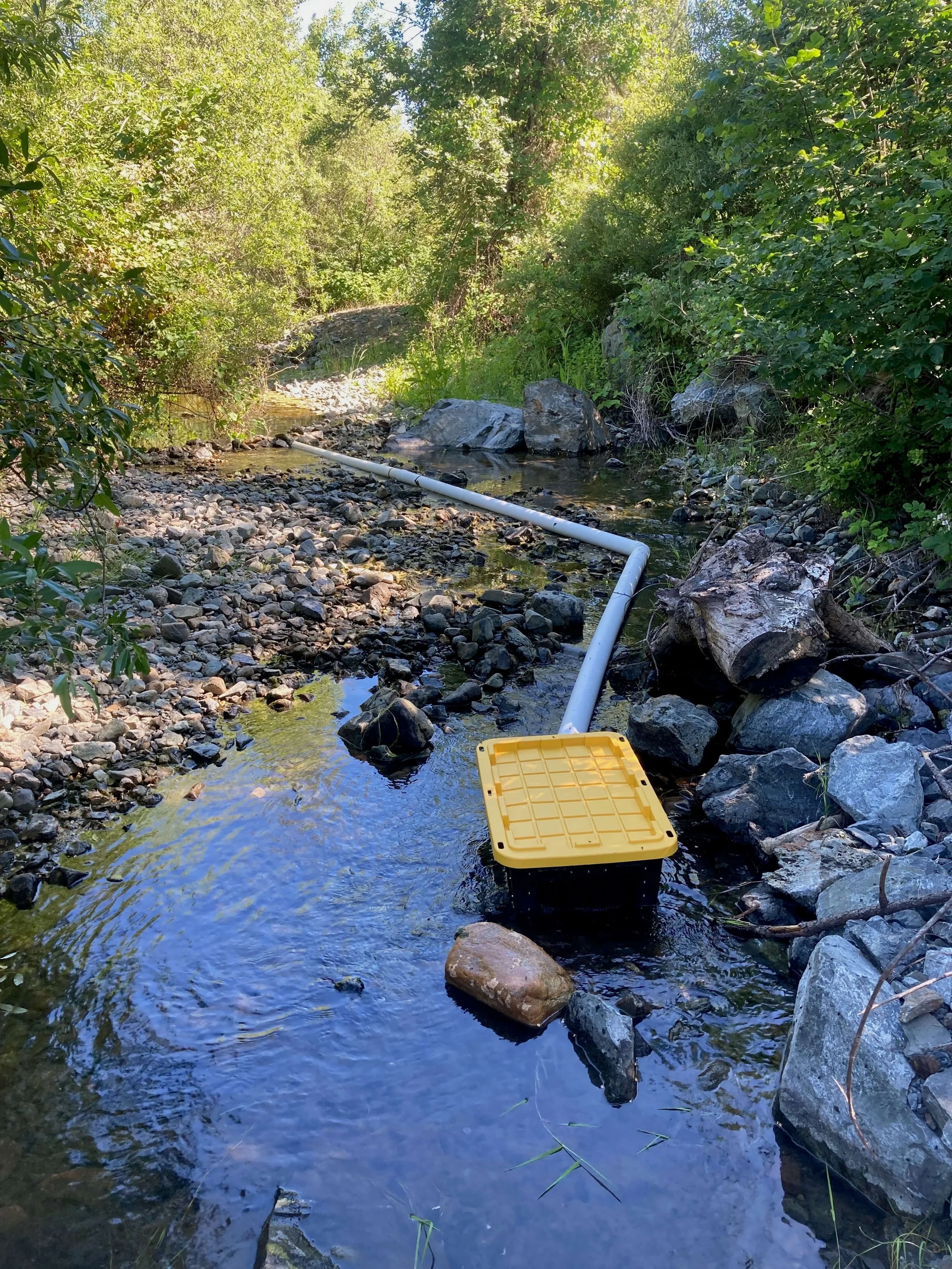
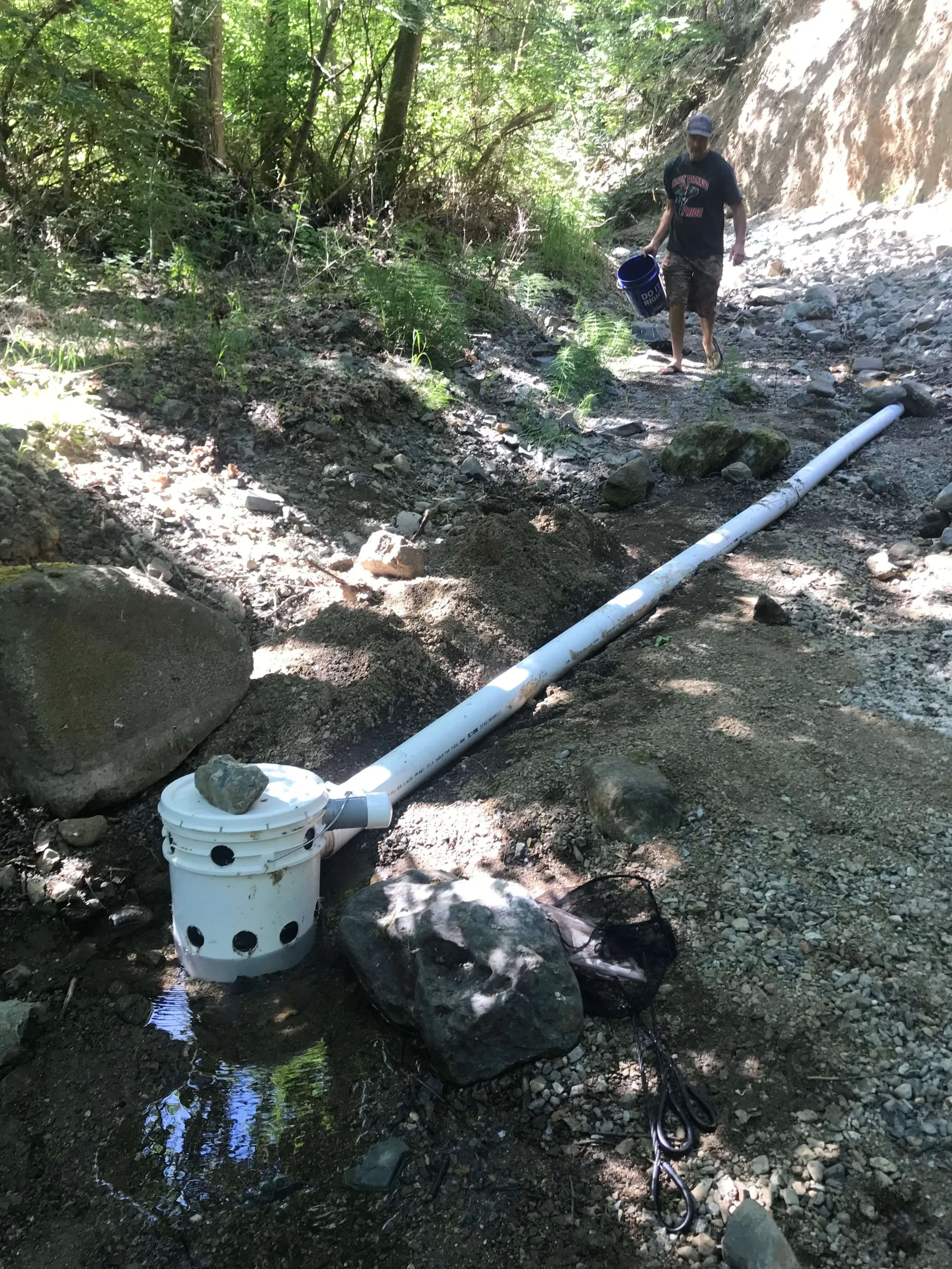
We coordinate our salvage operations to align with the natural progression of the creek’s seasonal drying. We allow the natural exodus to unfold, waiting for the first lock-point to form before we deploy our gear. This ensures that the majority of fish have had every opportunity to complete their journey naturally before we intervene. Once that barrier closes, the situation shifts into a high-stakes race against the clock. We immediately place our traps at strategic locations above the lock-point, capturing the stranded fry before their pools shrink to unsustainable levels. It is a calculated, boots-on-the-ground response designed to rescue every fish trapped behind the barrier before the creek dries up entirely.
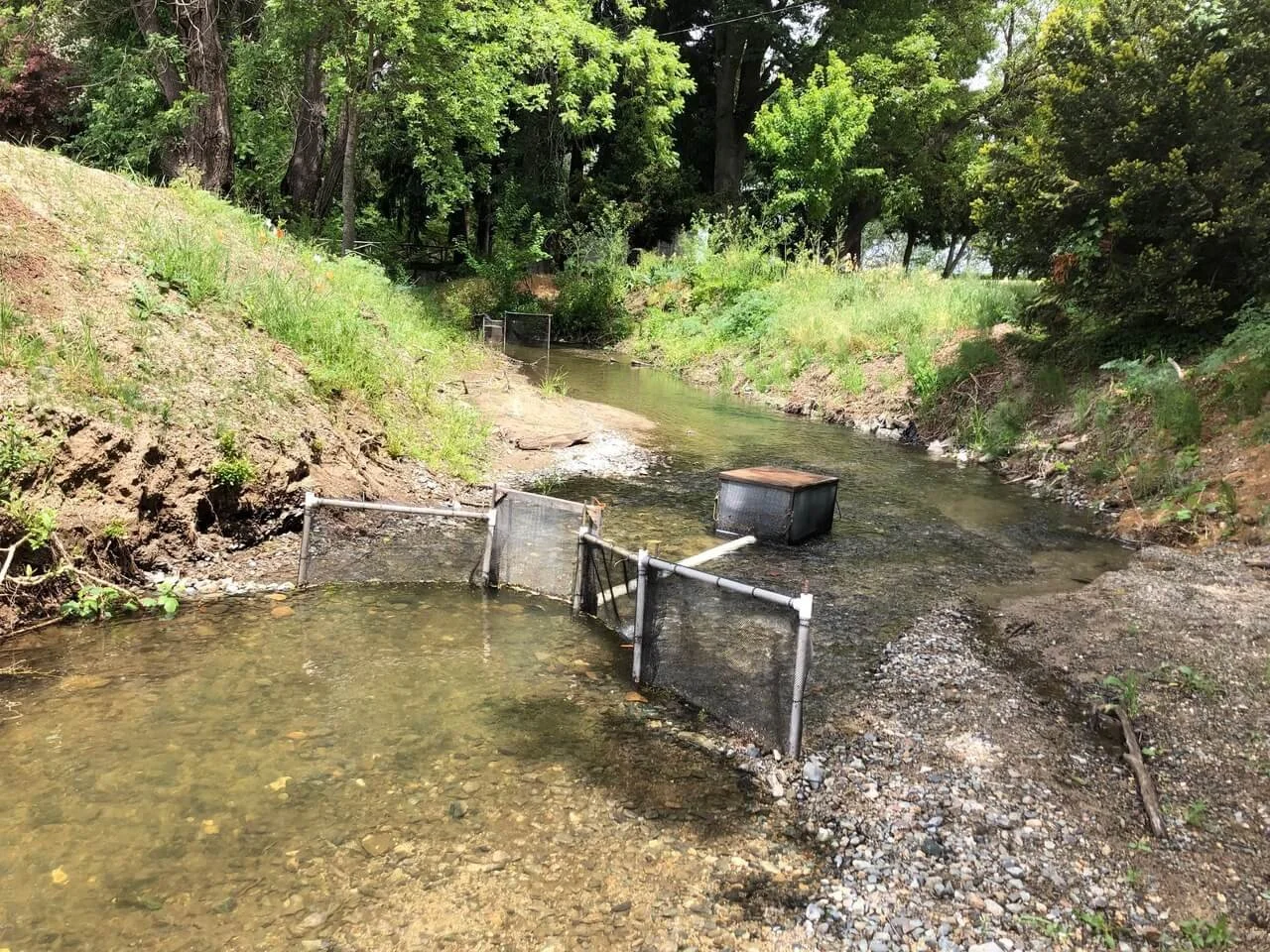
To ensure no fish are left behind, our trapping systems are designed to function as a total bypass for the remaining flow of the creek. We begin by installing a temporary blockade or "fence" across the entire width of the channel, which prevents any downstream migration from skirting around the trap. This forces the fry toward the trap entry, where they are funneled into a 4-inch pipe. By maintaining a steep gradient drop, we create a high-velocity suction that pulls the fry into the pipe and prevents them from swimming back upstream once they've entered. This water—and the fish within it—is dumped into a screened retention container that allows the creek water to flow through while safely holding the fry. We scale our equipment to the size of the water we're working with: employing large-scale box traps when flows are still significant, and transitioning to compact bucket traps as the creek eventually shrinks to a trickle.
A Meaningful Difference
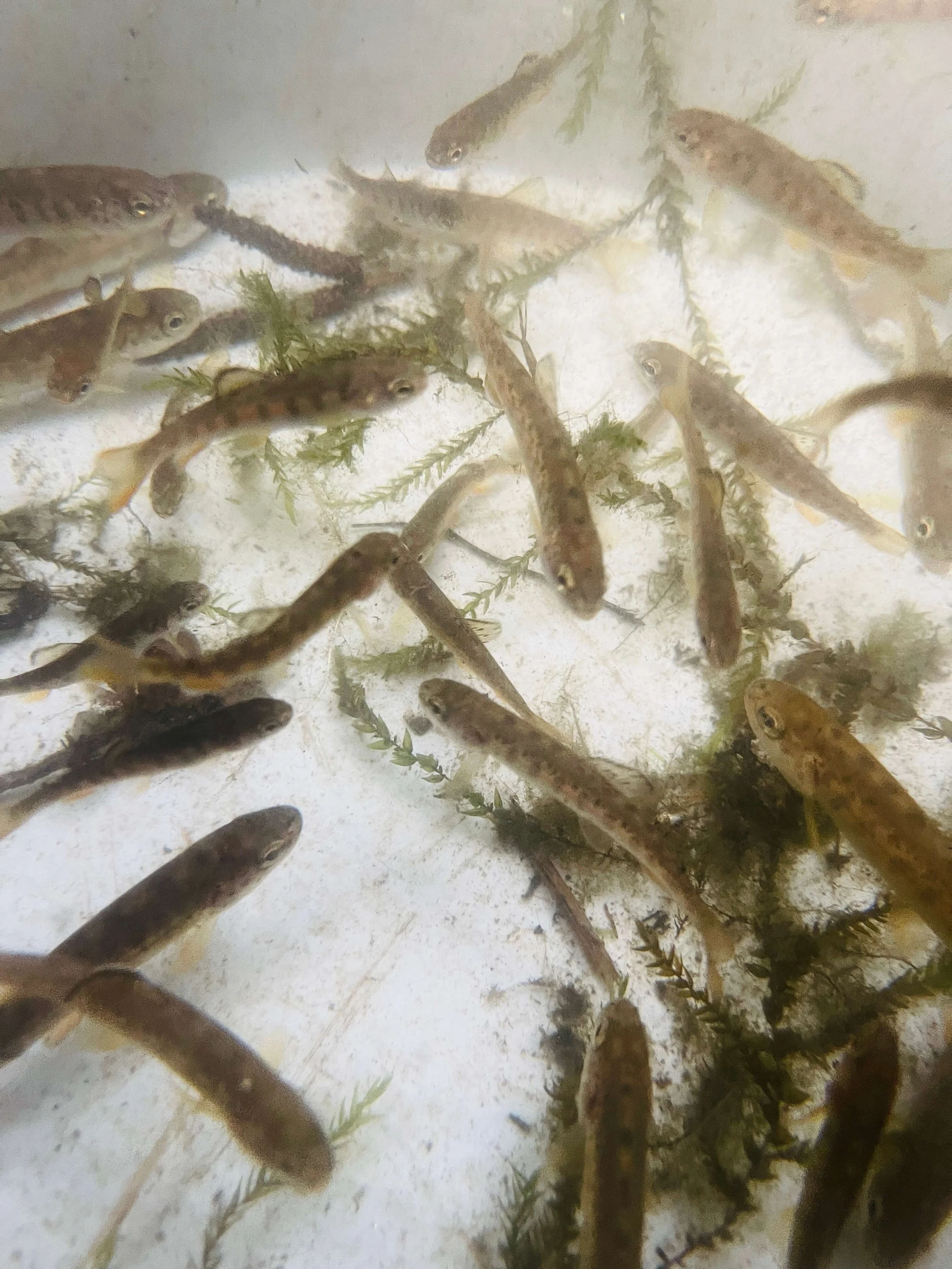
During the peak of the season, the scale of the rescue is immense; in the first couple weeks after a lock-point forms, we often pull 500 or more fry from a single trap in a day. Watching the video of these little survivors being scooped from the retention box and into an aerated transport container, you get a sense of the sheer number of young steelhead we are moving. For those of us on the ground, there is a special kind of adrenaline rush with this work that outshines any day of fishing. While landing a single trophy adult on a hook and line is a thrill, it doesn't compare to the reward of holding the future of an entire run in a single net and knowing you've just cleared their path to refuge.
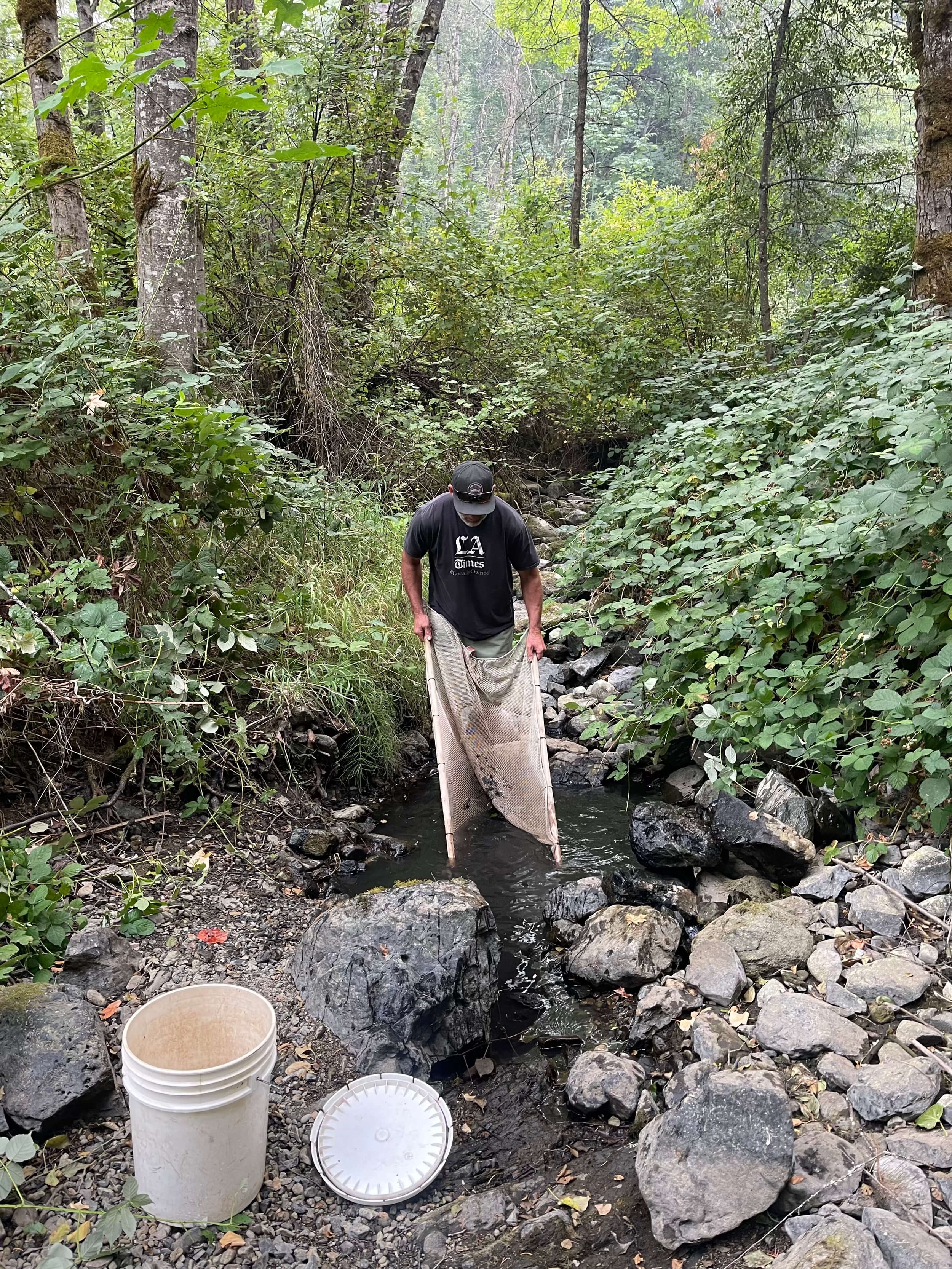
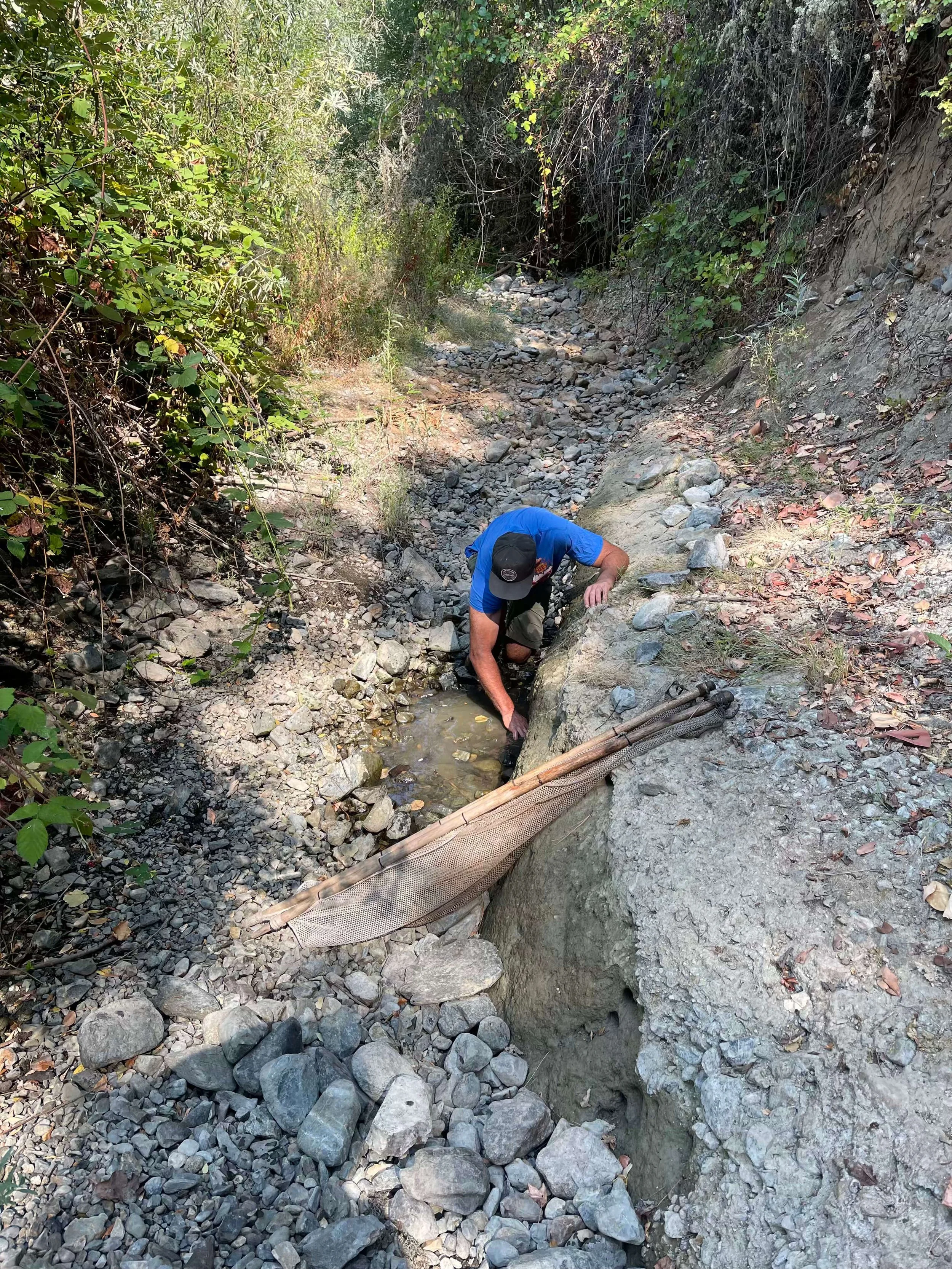
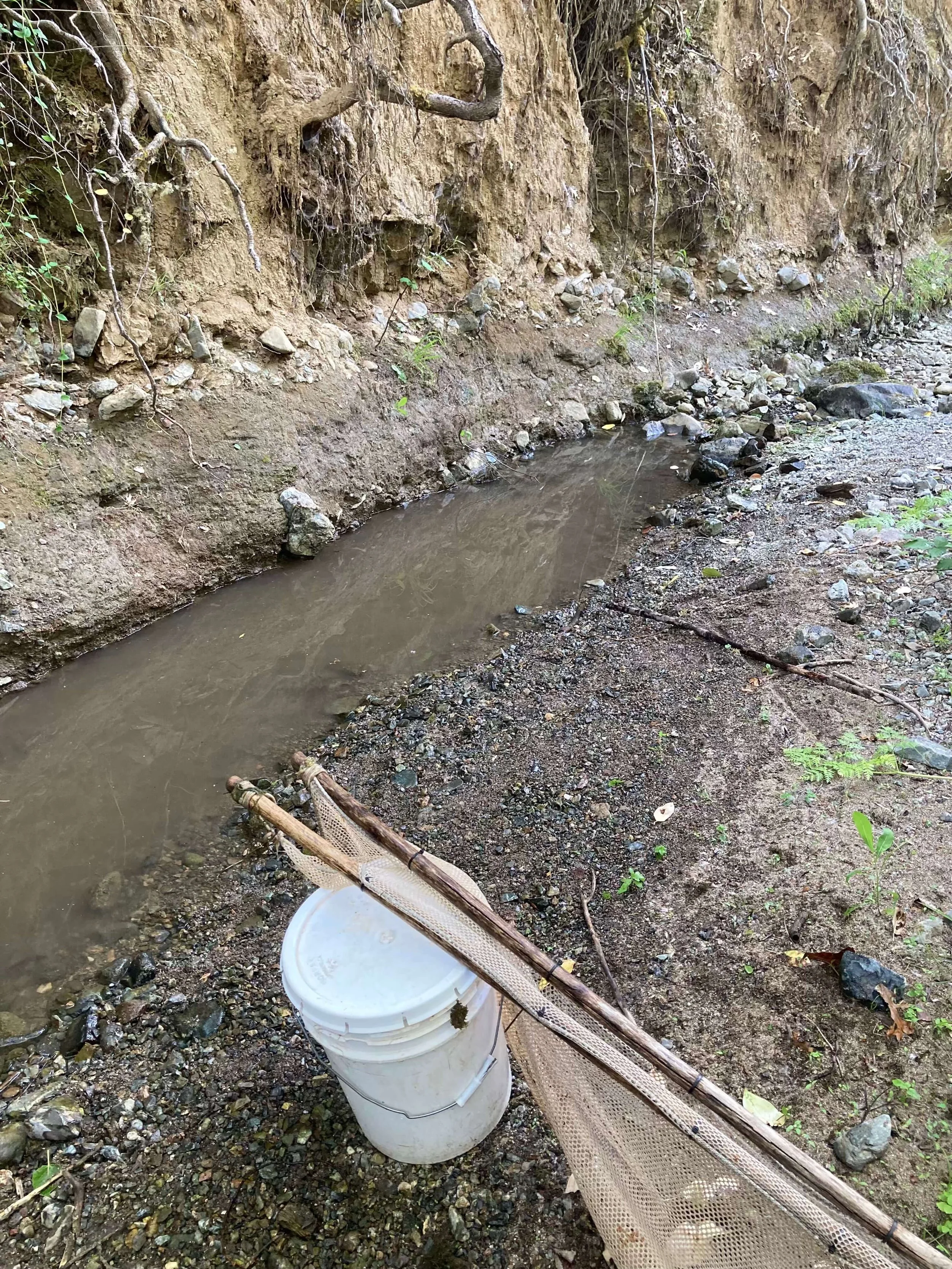
As the reality of summer sets in and the creek shrinks to isolated pools, our strategy shifts from passive trapping to a meticulous, hands-on rescue. In the larger pools, we use handheld seine nets to sweep for groups of fish, but as the water shrinks further, we are often forced to use small aquarium nets to reach fry hiding in the tightest crevices. While this transition to netting is incredibly tedious, the impact remains undeniable; these efforts typically salvage an additional 2,000 to 3,000 fry that the traps couldn't reach. When the season is over, this combined approach of strategic trapping and intensive netting results in 8,000 to 20,000 fry saved on each of the Rogue’s most productive spawning tributaries—a massive contribution to the river’s future that would otherwise be lost to the dry summer heat.
In The Nick Of Time
We often come upon isolated pools that are hours, if not minutes, away from drying up entirely or becoming too stagnant to support life. In some, we find dozens of fry clustered together, and the relief of reaching them before the water vanishes is profound. In others, the "pool" has shrunk to a tiny, sun-baked puddle holding a single fish. Realistically, we know the statistical odds for one individual fry are slim, but it is impossible not to feel a deep attachment to a survivor struggling in a thimbleful of water. These lone fish are the ultimate symbol of the Rogue River steelhead’s resilience. Despite a century of pressure from mining, logging, irrigation, and overfishing—and now the mounting threat of climate change—this species has persevered. As we net a single fish from the bottom of a dying creek, it’s hard not to imagine that this specific survivor might be the one carrying the essential genes into an uncertain future.
Why It’s A Race
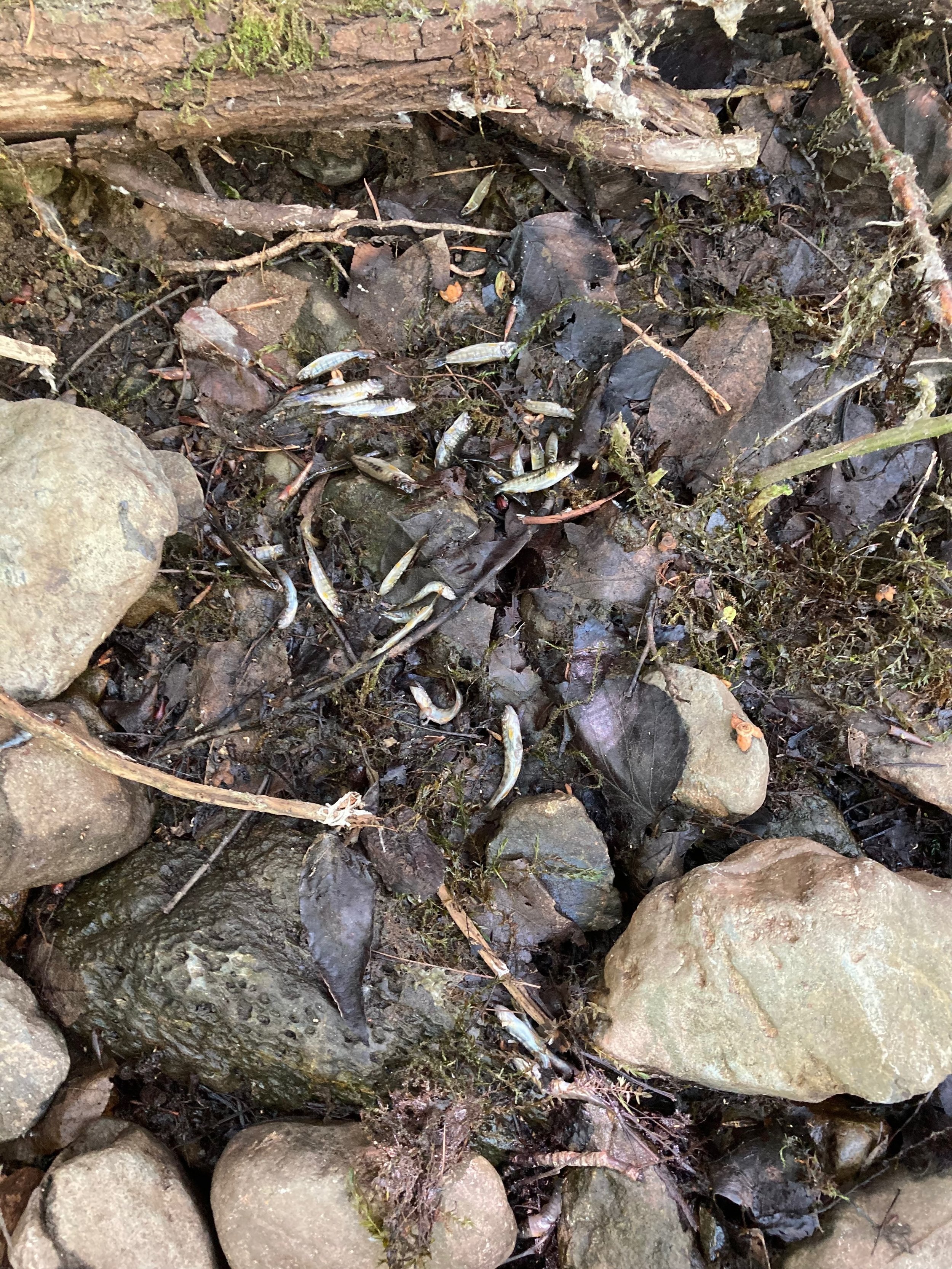
Despite our best efforts to strategically map our progression and prioritize the most critical reaches across multiple tributaries, the reality of our current resources is that we cannot reach every fish in time. We monitor these creeks closely to maximize our salvage numbers, but the geography of the Rogue's watershed is unforgiving; some pools simply reach their limit before we can arrive. Coming upon a site where we’ve missed the window—sometimes finding a hundred or more fry already lost to the heat or stagnation—is a jarring experience. Even with years of experience guiding our salvage plan, it is genuinely heartbreaking to stand over a pool of dead fish. In those moments, it is hard not to feel like we let them down, reinforcing exactly why we push ourselves so hard to do our part.
This Is Where You Come In
The 3RC Fry Salvage Program offers a unique opportunity for those who want to move beyond advocacy and get their hands dirty in the field. Volunteers don't just work alongside our seasoned crew; they often receive the specialized training necessary to manage the salvage operations of their own assigned creek. This responsibility can be taken on by a dedicated individual or shared by a team, allowing you to truly "own" the protection of a specific waterway. Many of our volunteers find this to be one of their most rewarding experiences—there is a profound sense of purpose in scouting your own reach and personally ensuring that every fish in your care makes it to the safety of the Rogue.