Locally Focused.
Action Without Limits
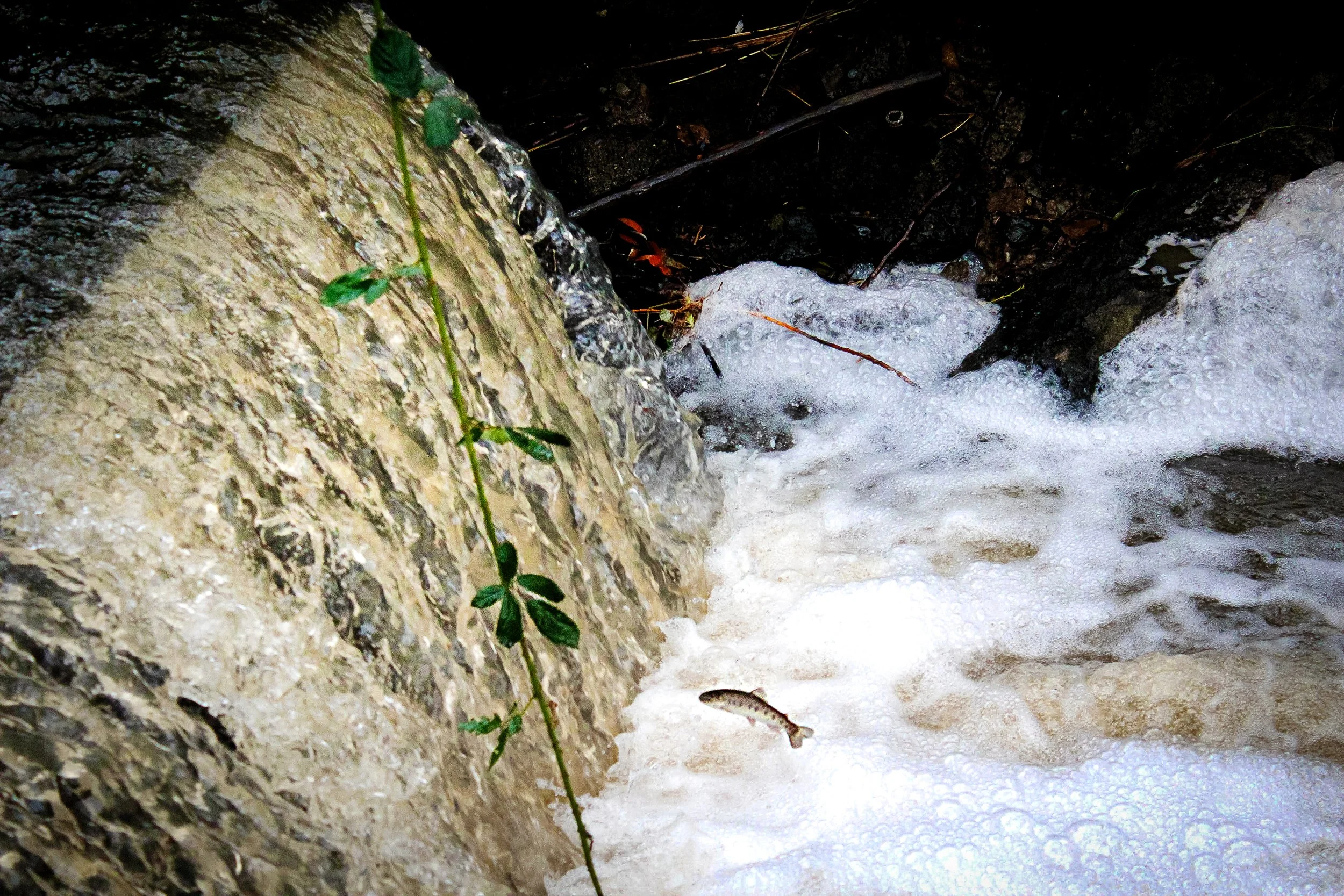
The Rogue River Restoration Council doesn’t measure success by the size of our budget, but by the miles of stream we positively impact. We believe that some of the greatest victories for salmon and steelhead don't require massive machinery or multi-million dollar grants—they require grit, boots in the water, and a refusal to overlook the small stuff. By focusing on "high-impact, low-cost" projects—like barrier removal, improving riparian habitat, and salvaging stranded fry—we stretch every donation to its absolute limit. We are a lean, local team that values action over red tape, proving that with enough determination and a "can-do" spirit, you can change the future of the Rogue River one creek at a time.
Looking ahead
Volunteer Opportunities
Fry Salvage Task Force
Clearing The Way
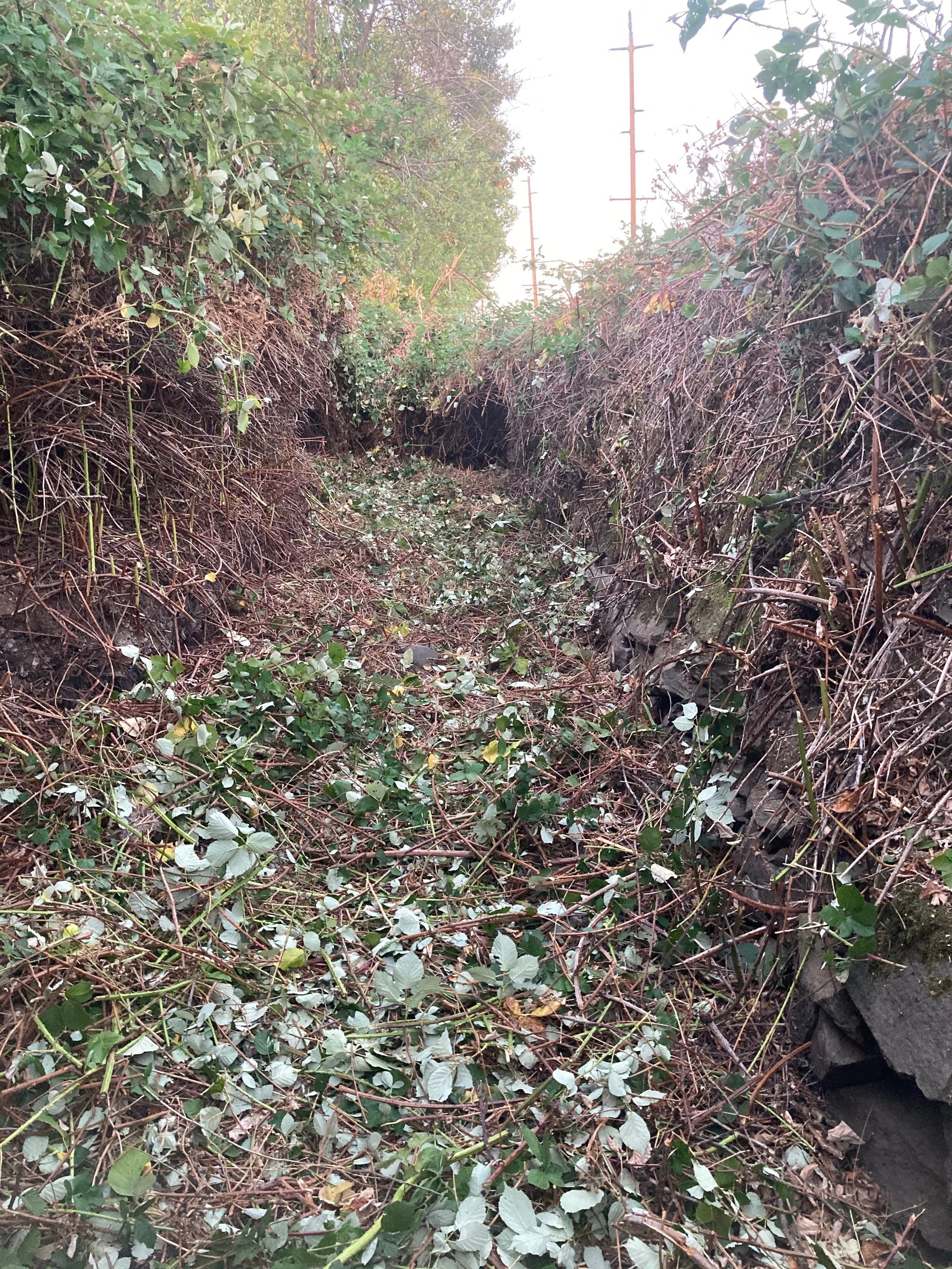
Black berry removal is often undervalued by the bigger restoration players because it isn't "flashy" work, but we’ve found that clearing these choked-out channels is easily our "most bang for the buck" initiative. In many local tributaries, invasive blackberry vines have marched right into the streambed, creating tangled dams that block fish passage and trap sediment. By partnering with "can-do" volunteers to rip out the overgrowth, we reopen vital waterways that larger agencies often overlook. Watching steelhead finally reach the upper spawning gravel of a creek once choked by berries is proof that you don't need a multi-million dollar budget to have a massive impact on the future of our fish
link to cole rivers study
Sardine Creek
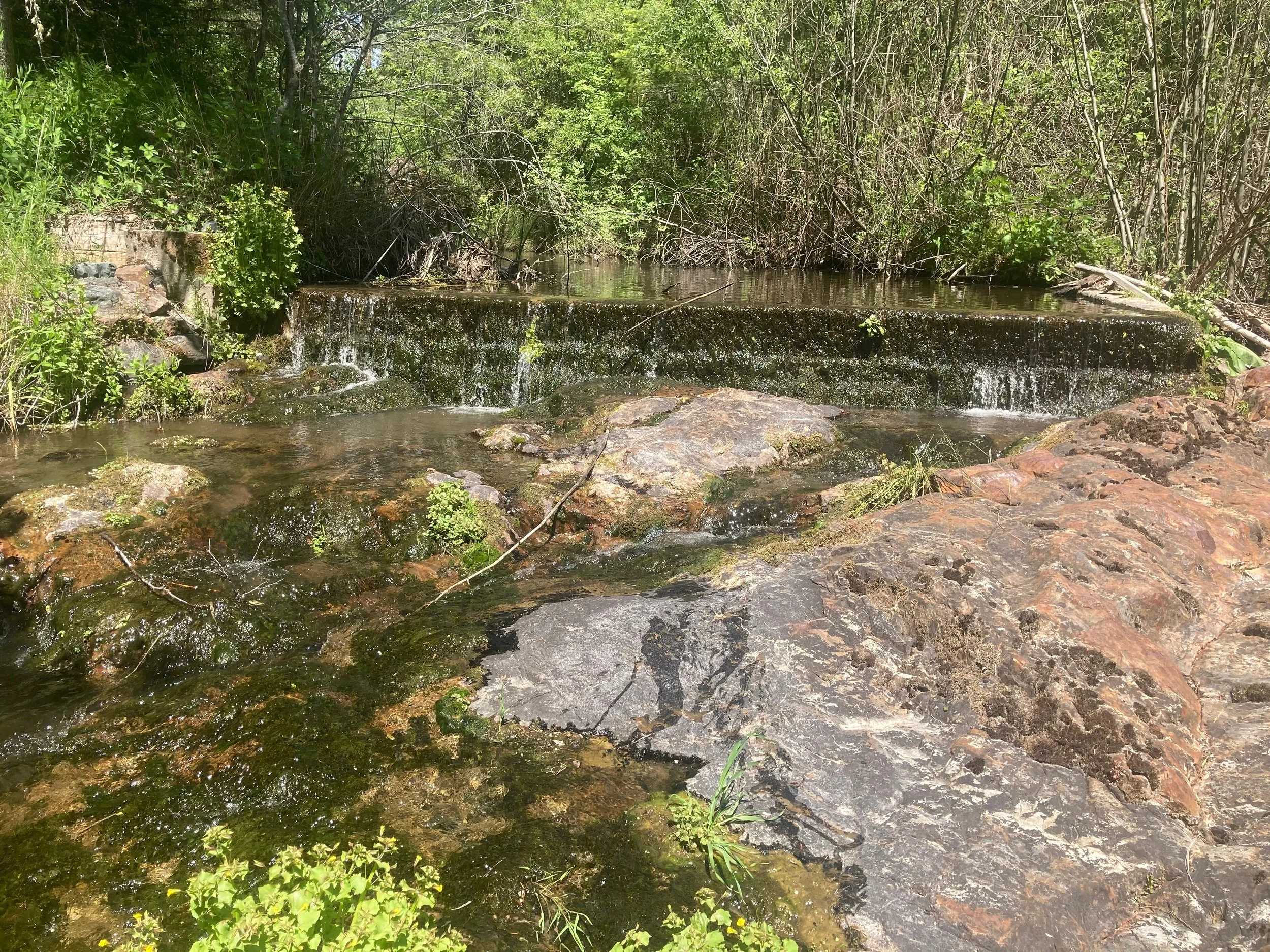
Heading into 2026, we’re actively pursuing a dam removal project on Sardine Creek. Sardine Creek is historically recognized as a class 1 summer steelhead spawning tributary and the removal of this barrier would open up over two miles of prime spawning and rearing habitat. The dam is privately owned and we have been approached by the owner to help facilitate the structures removal.
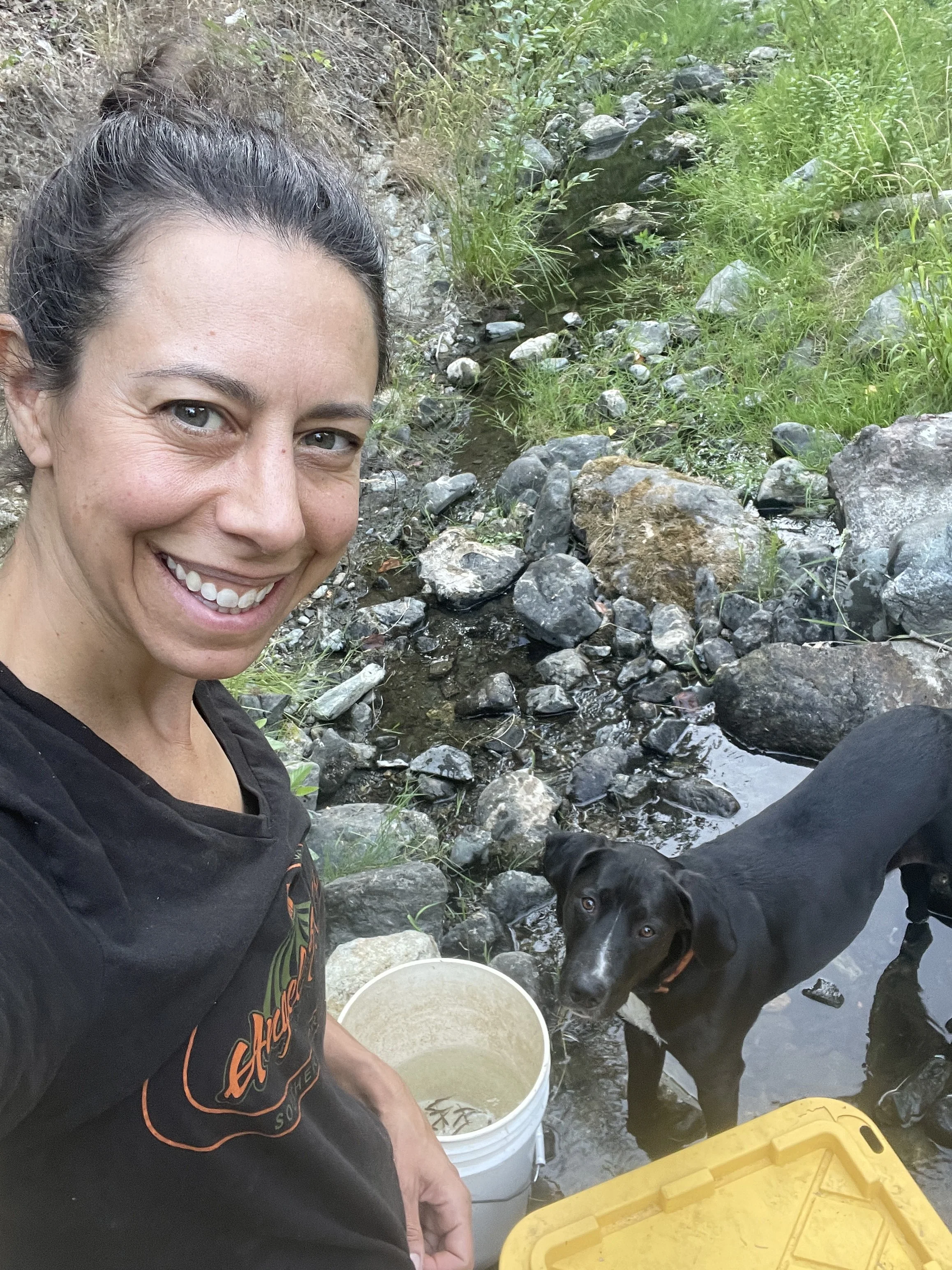
When the summer heat hits the Rogue Valley, our team shifts into high gear for our most urgent "boots-on-the-ground" initiative: the Steelhead Fry Salvage Program. As climate change drives record temperatures and unprecedented drought, our critical spawning tributaries are drying up weeks—and sometimes months—earlier than they historically did. In recent years, the crisis has reached a tipping point; many creeks now vanish so early that the entire year’s fry are destined to die before they ever reach the age where they are genetically programmed to seek the cold-water refuge of the main river.